
Retatrutide weight regain after stopping — 7 critical facts.
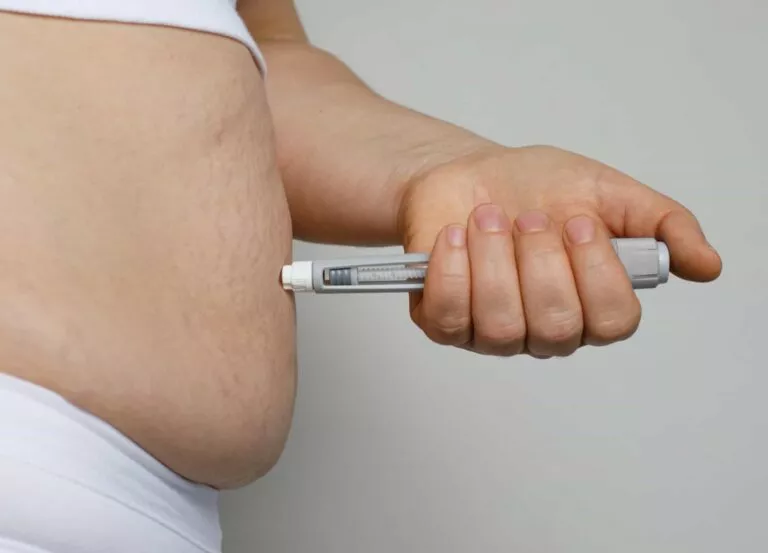
Retatrutide weight regain after stopping is the question nobody wants to think about during the exciting weight-loss phase — but it’s arguably the most important one for anyone planning a research protocol. A 2026 systematic review published in the Lancet’s eClinicalMedicine confirms what clinical experience has long suggested: stopping GLP-1 class medications without sustained changes leads to substantial, predictable weight regain.
This guide breaks down what the latest research says about retatrutide weight regain after stopping, how fast it happens, whether tapering helps, and what genuinely works to minimise regain. For a broader overview of discontinuation, read our guide on what happens when you stop retatrutide. General research information is available through the HPRA.
Transparent sourcing and quality documentation for your research.
Explore Retatrutide →Retatrutide Weight Regain After Stopping — fact 1: how much comes back
The most important data point for anyone considering retatrutide weight regain after stopping comes from a 2026 systematic review and meta-regression covering the entire GLP-1 receptor agonist class. The analysis found that patients regain approximately 60% of their lost weight within one year of stopping treatment, with a model predicting that regain eventually plateaus at around 75% of the original weight lost.
For retatrutide specifically, post-discontinuation weight tracking was not systematically measured in the Phase 2 trial, which is a meaningful data gap. However, given retatrutide’s shared GLP-1 mechanism with tirzepatide and semaglutide — both of which showed substantial regain in their own discontinuation studies — a similar pattern is the most reasonable expectation for anyone planning around retatrutide weight regain after stopping.
| Time after stopping | Estimated weight regain (GLP-1 class data) |
|---|---|
| 3 months | ~25-35% of weight lost |
| 6 months | ~40-50% of weight lost |
| 12 months | ~60% of weight lost |
| Beyond 12 months | Plateaus at ~75% of weight lost |
Retatrutide Weight Regain After Stopping — fact 2: how fast it happens
The speed of retatrutide weight regain after stopping is one of the most striking findings from the broader GLP-1 discontinuation research. Rebound appetite returns within days of the last dose as the hormonal appetite suppression clears the system — not gradually over weeks, but rapidly, often noticeably within the first week.
Research comparing weight regain trajectories found that patients stopping GLP-1 medications regained weight approximately four times faster than those who had lost a comparable amount through behavioural programmes alone. This accelerated pace of regain makes the first three to six months after stopping the most critical window for maintaining the changes built during active treatment.
Retatrutide Weight Regain After Stopping — fact 3: why it happens
Understanding why retatrutide weight regain after stopping occurs is essential for anyone hoping to prevent it. The mechanism is fundamentally biological rather than a failure of willpower. When a GLP-1 class medication is removed, the hormonal signalling that was suppressing appetite, slowing gastric emptying, and improving insulin sensitivity reverts to its pre-treatment state.
The body’s weight regulation system — often described as a biological set point — actively works to restore the higher weight it considers “normal.” Hunger hormones increase, metabolic rate adjusts downward, and the neurological reward signals associated with food intensify. This is the same biological response that makes all weight loss difficult to maintain long-term, amplified by the speed and magnitude of GLP-1-assisted loss.
Retatrutide, as a triple agonist acting on GLP-1, GIP, and glucagon receptors simultaneously, produces particularly significant weight loss — potentially making the biological drive to regain correspondingly stronger once those three signalling pathways are no longer being pharmacologically activated.
Retatrutide Weight Regain After Stopping — fact 4: tapering vs cold stop
While no specific retatrutide tapering protocol exists yet, clinical experience with the broader GLP-1 class suggests that gradual dose reduction is generally preferable to abrupt discontinuation when considering retatrutide weight regain after stopping. Tapering allows the body to adjust incrementally to returning appetite signals rather than experiencing a sudden, full-force return of hunger.
Research has shown that some patients can maintain their weight at a reduced maintenance dose rather than the full treatment dose — meaning the choice isn’t necessarily binary between full-dose treatment and complete cessation. Testing whether a lower dose maintains results before stopping entirely is a more cautious and clinically reasonable approach than an abrupt stop.
Abruptly stopping any GLP-1 class compound without a structured plan for managing the return of appetite is the single biggest predictor of rapid, substantial weight regain. Whether you taper or stop outright, having a concrete strategy for diet, activity, and monitoring during the first six months after stopping is essential.
Retatrutide Weight Regain After Stopping — fact 5: what actually prevents it
Minimising retatrutide weight regain after stopping requires sustained lifestyle changes that were ideally built during active treatment rather than improvised afterward. The research consistently points to several strategies that demonstrably help:
- Consistent strength training — preserving muscle mass during treatment keeps metabolic rate higher after stopping, which directly counters the metabolic slowdown that drives regain.
- High protein intake — protein supports satiety independently of medication and helps maintain the muscle mass that strength training builds.
- Structured eating patterns — regular, planned meals prevent the reactive overeating that returning appetite often triggers in the first weeks after stopping.
- Regular weight monitoring — weekly weigh-ins during the first six months catch early regain before it compounds, allowing for course correction while the amount regained is still small.
- Ongoing clinical support — maintaining contact with a healthcare provider during the post-cessation period allows for early intervention if regain exceeds manageable levels.
Retatrutide Weight Regain After Stopping — fact 6: metabolic improvements reverse too
Retatrutide weight regain after stopping doesn’t just affect the number on the scale — the metabolic improvements gained during treatment tend to reverse in proportion to the weight regained. A post-hoc analysis of the SURMOUNT-4 trial (using tirzepatide, the closest approved analogue) found that participants who regained 75% or more of their lost weight saw their cardiometabolic markers return essentially to baseline values.
This means that the blood pressure reductions, glucose control improvements, cholesterol changes, and inflammatory marker improvements achieved during treatment are genuinely at risk of being lost alongside the weight itself. This isn’t just a cosmetic concern — it’s a cardiovascular and metabolic health concern that strengthens the case for either maintaining treatment long-term or having a robust post-cessation plan.
Retatrutide Weight Regain After Stopping — fact 7: the case for long-term use
Given the strength of the retatrutide weight regain after stopping data, an increasing body of clinical opinion is shifting toward viewing obesity treatment — including GLP-1 class medications — as a long-term or chronic intervention rather than a time-limited course. Just as hypertension is managed with ongoing medication rather than a temporary course that’s stopped once blood pressure normalises, the same logic increasingly applies to weight management.
This doesn’t mean everyone needs to stay on treatment indefinitely — as the research notes, some patients can taper to a reduced maintenance dose, and some can discontinue entirely while maintaining their weight through sustained lifestyle changes. But the data is clear that the majority of patients who stop without those changes in place will experience substantial regain, which argues strongly for making the discontinuation decision carefully and with full awareness of the likely trajectory.
Retatrutide weight regain after stopping is not a failure of the medication — it’s the predictable biological response to removing the pharmacological support that was producing the results. Understanding this before you start means planning for sustainability from day one, not discovering the regain problem after the weight is already coming back.
Our research guidanceFor the full picture on discontinuation, read our guide on what happens when you stop retatrutide. Explore our Synedica Retatrutide product page, or read patient reviews.
Retatrutide is not approved as a medicine anywhere. This article is for research and informational purposes only. Weight regain data is drawn from GLP-1 class research broadly, as retatrutide-specific discontinuation data has not been systematically published. Always consult a qualified healthcare provider regarding any treatment decisions.
Common questions — retatrutide weight regain after stopping
Explore verified retatrutide sourcing.
Transparent sourcing, quality documentation and 24/7 support for your research journey.
Explore Retatrutide →