
Mounjaro side effects — 9 proven tips to manage tirzepatide side effects
Mounjaro side effects are the number one concern for people considering this medication — and understandably so. The good news is that most are temporary, manageable, and significantly reduce as your body adapts to the treatment. Knowing what to expect makes the difference between giving up in week two and reaching the life-changing results that the 15mg dose produces.
This guide covers every clinically documented Mounjaro side effect — frequency, severity, duration, and exactly what you can do to manage each one. Data is sourced from the SURMOUNT-1 clinical trial, the Electronic Medicines Compendium Mounjaro prescribing information, and the NHS Tirzepatide patient guidance.
Common Mounjaro side effects
The most common effects are gastrointestinal — affecting the digestive system. This is consistent with all GLP-1 and dual GIP/GLP-1 medications, because part of how Mounjaro works is by slowing gastric emptying. When food moves through the stomach more slowly, the digestive system reacts, particularly in the early weeks. The following Mounjaro side effects are reported most frequently in clinical trials:
- Nausea — the most common Mounjaro side effect, affecting 12–18% of patients. Usually mild and resolves within a week
- Diarrhoea — affects 12–17% of patients. Most pronounced during early dose escalation
- Reduced appetite — an intended tirzepatide effect that most patients welcome
- Vomiting — approximately 5% of patients. Usually accompanies severe nausea
- Constipation — affects 6–7% of patients. More common at higher doses
- Stomach pain or discomfort — typically mild, most common in early weeks
- Fatigue — particularly common after each dose increase, resolving within 3–5 days
- Indigestion or bloating — linked to slowed gastric emptying and typically temporary
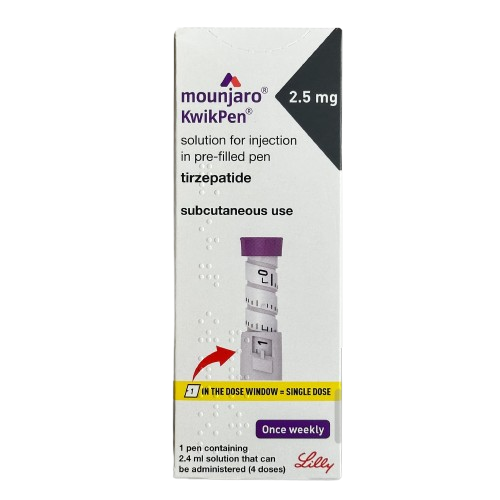
Mounjaro side effects — full table with frequency and severity
The table below covers all clinically documented effects with frequency data from the SURMOUNT-1 trial. Understanding how common each effect is helps you set realistic expectations before starting treatment.
| Mounjaro side effect | Frequency | Severity | Typically resolves |
|---|---|---|---|
| Nausea | 12–18% | Common | 3–7 days per dose change |
| Diarrhoea | 12–17% | Common | 3–7 days |
| Reduced appetite | Very common | Common | Intended — persists throughout |
| Vomiting | ~5% | Common | 1–3 days |
| Constipation | 6–7% | Common | Varies — ongoing at low level |
| Stomach pain | 5–9% | Common | First 4 weeks mainly |
| Fatigue | 5–8% | Common | 3–5 days after dose increases |
| Indigestion / bloating | 4–6% | Common | First 4–8 weeks |
| Injection site reaction | 3–5% | Uncommon | 24–48 hours |
| Hair thinning | ~3% | Uncommon | Temporary — 3–6 months |
| Hypoglycaemia | Rare (without diabetes meds) | Uncommon | Immediately with glucose intake |
| Pancreatitis | 0.32–0.39% | Rare | Requires medical treatment |
| Allergic reaction | Very rare | Rare | Requires immediate attention |
When do Mounjaro side effects typically happen?
These effects follow a predictable pattern aligned with the dose escalation schedule. Understanding this removes much of the anxiety — you will know when to expect each tirzepatide side effect and roughly how long it will last.
Weeks 1–4 (2.5mg): This is when symptoms are most likely to appear for the first time. The digestive system adjusts to slowed gastric emptying. Nausea, mild fatigue, and loose stools are most common. Most patients find these initial tirzepatide side effects milder than expected.
Each dose escalation (weeks 5, 9, 13, 17, 21): A brief return of symptoms is normal every time the dose increases. This typically lasts three to seven days and then resolves. Patients who tolerate the 2.5mg dose well often find each subsequent dose increase easier to manage.
Weeks 9–12 and beyond (7.5mg+): By this phase, most patients find their tirzepatide side effects have significantly reduced. The body has adapted, and many patients report feeling essentially normal between doses — with only the welcome appetite suppression remaining as a noticeable ongoing effect.
Data from the SURMOUNT-1 trial shows that less than 5% of patients discontinued Mounjaro due to side effects. The vast majority work through the adjustment period and go on to achieve significant, lasting weight loss. Most effects are manageable with the right approach.
9 proven tips to manage Mounjaro side effects
These nine strategies come from clinical guidance, prescribing information, and the real-world experience of our customers. Apply them consistently and your experience will be significantly more comfortable throughout treatment.
Taking Mounjaro on an empty stomach is the most common cause of nausea. Inject after a small, low-fat meal to buffer the initial reaction.
Dehydration significantly worsens nausea and fatigue. Aim for at least 2 litres of water daily throughout your treatment.
Large meals overwhelm a stomach emptying more slowly. Smaller portions across 4–5 meals per day reduce bloating and discomfort — two of the most impactful effects to address through diet.
High-fat and spicy foods take longer to digest and compound the tirzepatide side effects of slowed gastric emptying. Stick to plain, easily digestible foods especially on injection days.
Rushing ahead in the dosing schedule is the fastest way to intensify all symptoms. The gradual escalation exists specifically to allow safe adaptation — follow it exactly.
Many patients find that injecting in the evening means the peak tirzepatide side effect window — the first 24 to 48 hours — occurs during sleep, effectively sleeping through the worst of it.
Using the same site repeatedly causes localised skin irritation — one of the most easily preventable issues. Rotate between abdomen, upper thigh, and upper arm each week.
Ginger — as tea, capsules, or chews — has clinical evidence for reducing nausea. Many patients find it effective for managing this Mounjaro side effect in the early weeks without additional medication.
If symptoms last more than seven days after a dose change or are severe, contact our 24/7 support team. A slower escalation schedule is sometimes the right clinical decision.
Serious Mounjaro side effects to watch for
While most are mild and temporary, a small number of serious tirzepatide side effects require immediate medical attention. These are rare — but it is essential to know the warning signs:
- Pancreatitis — severe upper abdominal pain radiating to the back, with or without vomiting. Stop Mounjaro immediately and seek emergency care. This occurred in 0.32–0.39% of trial patients — comparable to placebo rates
- Severe allergic reaction — facial swelling, difficulty breathing, rapid heartbeat, or widespread rash. Seek emergency care immediately
- Kidney damage — can result from severe dehydration caused by vomiting or diarrhoea. Drink fluids consistently and seek help if unable to keep fluids down for more than 24 hours
- Hypoglycaemia (low blood sugar) — more likely in patients also taking insulin or sulfonylureas. Symptoms include shakiness, sweating, confusion, and rapid heartbeat
- Vision changes — report any sudden changes in vision to a healthcare provider promptly
You experience severe upper abdominal pain, cannot keep fluids down for more than 24 hours, develop signs of an allergic reaction, or notice unusual vision changes. These signals require prompt medical attention. Our 24/7 support team can help you assess severity and advise on next steps.
Does Mounjaro cause hair loss?
Hair thinning is one of the most frequently searched issues — and deserves a clear answer. Tirzepatide itself does not directly cause hair loss. What causes temporary shedding is the rapid weight loss the medication produces. This well-documented phenomenon — telogen effluvium — occurs when the body undergoes significant change, causing hair follicles to shift into a resting phase, leading to increased shedding two to four months later. This is a known tirzepatide side effect classified as common, affecting up to 1 in 10 patients.
This is temporary. Hair typically returns to normal growth within three to six months as the body stabilises at a new weight. Ensuring adequate protein intake — at least 1.2g per kilogram of body weight daily — during treatment significantly reduces the severity of this tirzepatide side effect. If hair thinning is severe or persists beyond six months, consult a dermatologist.
The most effective way to minimise hair thinning during treatment is to maintain adequate protein and micronutrient intake throughout treatment. When appetite suppression is strong, focus on protein-dense foods — eggs, chicken, Greek yoghurt, legumes — to give your body the building blocks it needs to maintain healthy hair growth even during rapid weight loss on Mounjaro.
Do Mounjaro side effects improve over time?
Yes — and this is the most important thing to understand about your treatment. Clinical data and real-world patient experience consistently show that symptoms improve significantly as treatment progresses. The first four weeks are the hardest. Each subsequent dose escalation brings a brief, predictable adjustment period — typically three to seven days — followed by a return to comfort.
By weeks nine to twelve at 7.5mg, the majority of patients report that symptoms have become minimal or absent. The appetite suppression remains as the intended, beneficial effect — but nausea, fatigue, and digestive discomfort have typically resolved as Mounjaro side effects. Patients who reach the 15mg maintenance dose often describe feeling completely normal between weekly injections, with only the welcome reduction in hunger as a noticeable ongoing effect.
Read our verified customer reviews to see how real patients describe their experience of treatment side effects over time — and browse our full product range if you are ready to start with a supplier you can trust.
Common questions about Mounjaro side effects
Start your Mounjaro journey with confidence
HPLC-verified at 99% purity, COA on every batch, 24/7 support team, free UK shipping from £129. Our team guides you through every stage including managing side effects.
Buy Mounjaro now →