
Ozempic vs Wegovy — 7 proven differences for weight loss UK 2026.
Ozempic vs Wegovy — it is one of the most common questions we receive at Mymetabolism, and the answer surprises many people. Both medications contain exactly the same active ingredient: semaglutide. The same molecule, made by the same company (Novo Nordisk), working through the same GLP-1 receptor mechanism. And yet they are not the same medication. The differences — in dose, licensed purpose, weight loss results, and who should use which — are clinically significant and worth understanding clearly before you choose.
This guide covers all seven proven differences between Ozempic vs Wegovy in the UK in 2026, including the newly approved Wegovy HD 7.2mg dose that the MHRA approved in January 2026. All data is sourced from the EMC Ozempic prescribing information and the NHS Semaglutide guidance.
What Ozempic and Wegovy have in common
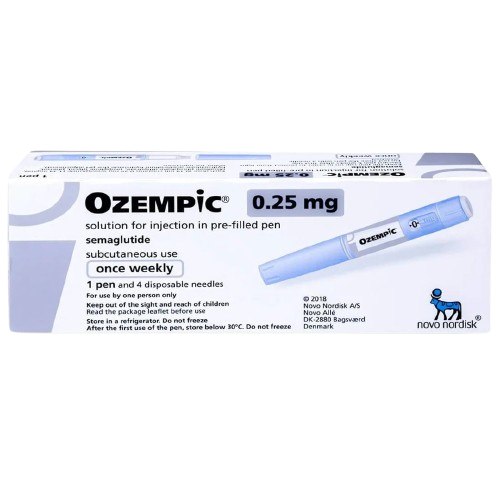
Before covering what separates them, it is worth establishing what Ozempic vs Wegovy share — because it is considerable:
- Same active ingredient: both contain semaglutide — a GLP-1 receptor agonist that reduces appetite, slows gastric emptying, and improves insulin sensitivity
- Same manufacturer: both are made by Novo Nordisk
- Same mechanism: both activate GLP-1 receptors in the brain and digestive system
- Same administration: both are once-weekly subcutaneous injections
- Same side effect type: both cause primarily gastrointestinal effects — nausea, diarrhoea, vomiting, constipation
- Same contraindications: both are contraindicated in personal or family history of medullary thyroid carcinoma, MEN 2 syndrome, and pregnancy
In the Ozempic vs Wegovy debate, you are not choosing between two different drugs. You are choosing between two different doses and licensing frameworks of the same drug. The meaningful differences are about how much semaglutide you receive and what it is officially approved to treat.
Ozempic vs Wegovy — head-to-head comparison table
| Feature | Ozempic | Wegovy (standard) | Wegovy HD (2026) |
|---|---|---|---|
| Active ingredient | Semaglutide | Semaglutide | Semaglutide |
| Manufacturer | Novo Nordisk | Novo Nordisk | Novo Nordisk |
| Licensed purpose (UK) | Type 2 diabetes | Weight management | Weight management |
| Maximum dose | 2mg weekly | 2.4mg weekly | 7.2mg weekly |
| Average weight loss | 9–14% | ~14.9% | ~20.7% |
| Escalation weeks | 16 weeks | 20 weeks | Extended protocol |
| Best for | T2D + weight loss | Weight management | Higher BMI / plateau |
Difference 1: Licensed purpose
This is the most fundamental Ozempic vs Wegovy difference — and the one that matters most from a regulatory standpoint in the UK. Ozempic is licensed by the MHRA exclusively for the treatment of type 2 diabetes in adults. Using it for weight loss alone is off-label — legal when prescribed by a qualified clinician, but not the medication’s approved indication.
Wegovy is licensed specifically for chronic weight management in adults with a BMI of 30 or above, or a BMI of 27 or above with at least one weight-related health condition. It received NICE technology appraisal approval (TA875) in 2023 for use in specialist weight management services. In January 2026, the MHRA approved the new 7.2mg Wegovy HD dose for adults with obesity, with NHS access expected later in 2026 following a NICE health technology assessment.
Difference 2: Maximum dose
The dosing ceiling is where the practical difference between Ozempic vs Wegovy becomes most significant for weight loss outcomes. Ozempic reaches a maximum of 2mg weekly — the dose studied and approved for blood sugar management in type 2 diabetes. Wegovy reaches 2.4mg weekly as the standard maintenance dose — 20% higher than Ozempic’s ceiling — specifically selected as the weight-loss-optimised dose through the STEP clinical trial programme.
In 2026, Wegovy HD at 7.2mg represents a third tier — three times the standard Wegovy dose — approved for patients with higher BMIs or those who have plateaued on 2.4mg. This dose is administered as three 2.4mg injections on the same day once weekly and has shown average weight loss of approximately 20.7% in clinical data — significantly closing the gap with Mounjaro.
Difference 3: Weight loss results
When comparing Ozempic vs Wegovy for weight loss results, the data consistently favours Wegovy — not because the drug is different, but because the dose is higher. Here is what the clinical evidence shows:
- Ozempic 1mg (SUSTAIN-6): approximately 5–7% body weight reduction over 52 weeks in patients with type 2 diabetes
- Ozempic 2mg: approximately 9–14% body weight reduction — closer to Wegovy but still below the 2.4mg dose
- Wegovy 2.4mg (STEP-1): average 14.9% body weight reduction over 68 weeks in adults without diabetes
- Wegovy HD 7.2mg (2026 data): approximately 20.7% average weight loss — comparable to Mounjaro at lower doses
The pattern is consistent: higher semaglutide dose produces greater weight loss. This is why, in the Ozempic vs Wegovy comparison for weight management specifically, Wegovy is the clinically appropriate choice for most patients whose primary goal is weight reduction rather than diabetes management.
Difference 4: Dosage escalation schedule
The escalation schedules for Ozempic vs Wegovy reflect their different maximum doses:
| Weeks | Ozempic | Wegovy |
|---|---|---|
| Weeks 1–4 | 0.25mg | 0.25mg |
| Weeks 5–8 | 0.5mg | 0.5mg |
| Weeks 9–12 | 1mg | 1mg |
| Weeks 13–16 | 2mg (maintenance) | 1.7mg |
| Week 17+ | — | 2.4mg (maintenance) |
Both medications share the same starting doses and first escalation steps. Wegovy adds an extra 4-week step at 1.7mg before reaching the 2.4mg maintenance dose — a deliberate step to improve tolerability at the higher therapeutic level.
Difference 5: Side effects
In the Ozempic vs Wegovy side effect comparison, the profile is essentially identical — because the drug is the same. Both cause primarily gastrointestinal effects: nausea, diarrhoea, vomiting, constipation, and reduced appetite. Both are most pronounced during dose escalation and improve significantly at steady state.
The one meaningful side effect difference is frequency and intensity. Because Wegovy is used at a higher maximum dose than Ozempic, side effects are generally more pronounced during the escalation to 2.4mg than during Ozempic’s escalation to 2mg. The STEP-1 trial reported nausea in up to 44% of Wegovy patients versus approximately 15–20% for standard Ozempic doses. This is not a pharmacological difference — it is a dose effect.
For detailed management strategies, see our dedicated guides on Wegovy side effects and Ozempic side effects.
Difference 6: Cardiovascular benefits
One of the most clinically significant differences in the Ozempic vs Wegovy comparison is cardiovascular outcomes data. The SELECT trial — published in the New England Journal of Medicine in 2023 — showed that semaglutide reduced major cardiovascular events (heart attack, stroke, cardiovascular death) by 20% in adults with overweight or obesity and established cardiovascular disease. This trial used the Wegovy dose of 2.4mg.
Ozempic also has cardiovascular outcomes data — the SUSTAIN-6 trial showed a 26% reduction in major cardiovascular events in patients with type 2 diabetes. However, the SELECT trial data specifically positions Wegovy as a cardiovascular risk reduction tool beyond diabetes management — an important consideration for patients with existing heart disease who also want weight loss benefits.
Difference 7: Which is right for you?
The final and most practical element of the Ozempic vs Wegovy comparison is which medication is right for your specific situation:
- Choose Wegovy if: your primary goal is weight loss, you do not have type 2 diabetes, you want the highest licensed semaglutide dose, or you have cardiovascular disease and want weight reduction alongside heart protection
- Choose Ozempic if: you have type 2 diabetes and want weight loss as a secondary benefit alongside blood sugar management, or you have previously used Ozempic and respond well to it
- Consider Mounjaro if: you want greater weight loss than semaglutide can achieve — Mounjaro’s dual GIP and GLP-1 mechanism produces 21–22% average weight loss versus Wegovy’s 14.9%
- Consider Retatrutide if: you want the maximum weight loss pharmacologically possible — the triple-agonist mechanism produces 25–28.3% average weight loss in Phase 3 trials
For most patients in 2026 whose primary goal is weight loss without diabetes, Wegovy at 2.4mg is the appropriate semaglutide choice — it is the licensed, dose-optimised option. For those wanting results beyond semaglutide, Mounjaro or Retatrutide from our full product range deliver significantly greater weight loss through additional receptor mechanisms. Read our verified customer reviews to see real results from both medications.
Common questions — Ozempic vs Wegovy
Buy Ozempic or Wegovy from Mymetabolism
HPLC-verified at 99% purity, COA on every batch, free UK shipping. Both available now with 24/7 support throughout your treatment.
Shop all products →