
Retatrutide and PCOS — 7 powerful facts worth knowing.
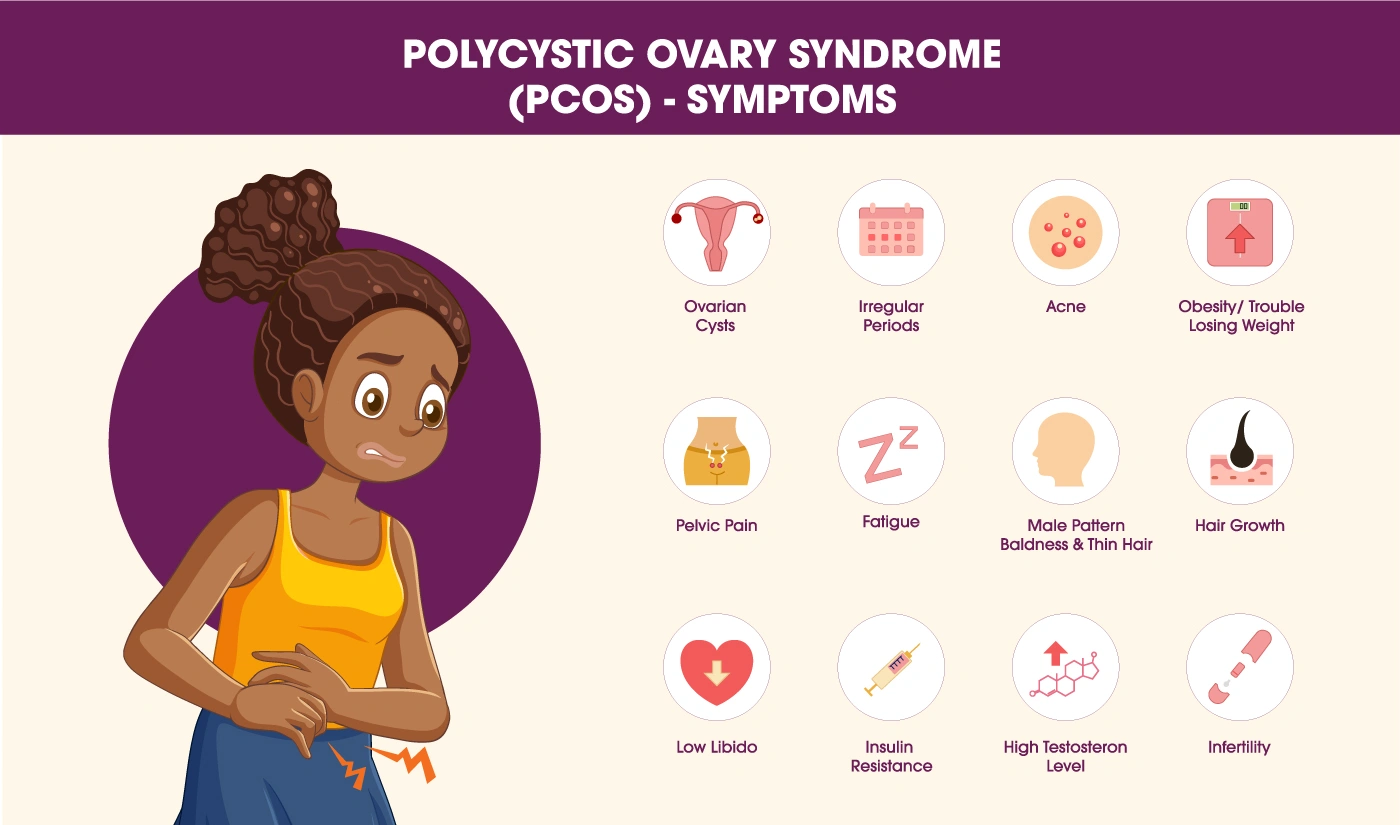
Retatrutide and PCOS is one of the most searched combinations in women’s metabolic health right now — and for good reason. Polycystic ovary syndrome affects up to 1 in 10 women of reproductive age, and insulin resistance sits at the centre of the condition for the majority of them.
Retatrutide, with its powerful effects on weight and insulin sensitivity, has become a natural point of interest for women managing PCOS. This guide covers what the science actually says about retatrutide and PCOS, what to realistically expect, and the questions worth raising with your doctor. This article follows general PCOS management guidance from the NHS alongside published retatrutide clinical trial data. Contact our 24/7 support team with any questions.
Retatrutide and PCOS — fact 1: the insulin resistance link
Understanding retatrutide and PCOS starts with understanding the condition itself. Insulin resistance affects an estimated 65 to 70 percent of women with PCOS, regardless of body weight, though it is more prevalent and pronounced in those who are overweight.
This insulin resistance drives a cascade of hormonal effects — elevated insulin levels stimulate the ovaries to produce excess androgens, which in turn disrupts ovulation, menstrual regularity, and contributes to symptoms like acne and excess hair growth. Any treatment that improves insulin sensitivity has the potential to interrupt this cycle.
Retatrutide and PCOS — fact 2: weight loss changes everything
This is the fact most relevant to the retatrutide and PCOS conversation. Research consistently shows that weight loss of just 5 to 10 percent of body weight can meaningfully improve menstrual regularity, reduce circulating androgen levels, and improve fertility outcomes in women with PCOS.
Retatrutide has produced some of the largest weight loss results seen across the GLP-1 medication class in clinical trials, with many participants achieving well beyond the 5 to 10 percent threshold known to improve PCOS symptoms. This is the primary reason retatrutide and PCOS has become such an area of interest.
| Weight loss achieved | Typical PCOS symptom impact |
|---|---|
| 5% | Improved menstrual regularity begins in many women |
| 10% | Meaningful androgen reduction, improved ovulation rates |
| 15%+ | Substantial symptom improvement reported across multiple domains |
Retatrutide and PCOS — fact 3: the triple mechanism
Retatrutide is a triple agonist — it acts on GLP-1, GIP, and glucagon receptors simultaneously. This is mechanistically distinct from single or dual-action GLP-1 medications, and the GIP receptor component in particular has shown favourable effects on insulin sensitivity in clinical trials.
Since insulin resistance is the central metabolic feature in the majority of PCOS cases, retatrutide’s broader mechanism of action is of particular research interest for this population, even though PCOS-specific trials have not yet been completed.
Retatrutide and PCOS — fact 4: not yet an approved treatment
It is important to be clear about where the science currently stands. Retatrutide and PCOS is an area of significant research interest, but retatrutide is not currently approved specifically for PCOS treatment by any regulatory body.
Current evidence for the retatrutide and PCOS connection is largely inferential — drawn from retatrutide’s general weight loss and insulin sensitivity data combined with what is already well established about weight loss benefits in PCOS generally, rather than from dedicated PCOS-specific retatrutide trials.
No large-scale, PCOS-specific clinical trials of retatrutide have been published at the time of writing. The retatrutide and PCOS connection is a reasonable hypothesis based on related evidence, not a proven, approved treatment pathway.
Retatrutide and PCOS — fact 5: fertility considerations
For women with PCOS trying to conceive, the retatrutide and PCOS conversation includes an important caveat. GLP-1 class medications, including retatrutide, are generally not recommended during active attempts to conceive or during pregnancy, since safety data in pregnancy is not established.
Interestingly, improved ovulation from weight loss can sometimes lead to unexpected pregnancy in women with PCOS who were previously not ovulating regularly. This is a specific and important discussion to have with a healthcare provider before starting any GLP-1 treatment while managing PCOS and fertility goals simultaneously.
Retatrutide and PCOS — fact 6: androgen levels
Elevated androgens drive many of the most visible PCOS symptoms — acne, excess facial and body hair, and scalp hair thinning. Since weight loss and improved insulin sensitivity are both associated with reduced androgen levels in PCOS research, retatrutide’s effects in these areas suggest potential indirect benefit for these symptoms.
This remains an area where individual response varies considerably, and dedicated research measuring androgen changes specifically with retatrutide in PCOS populations is still needed to confirm the magnitude of this effect.
Retatrutide and PCOS — fact 7: individualised care is essential
PCOS presents differently in every woman — some primarily experience metabolic symptoms, others primarily reproductive symptoms, and others primarily dermatological symptoms like acne and hirsutism. The retatrutide and PCOS relationship will look different depending on which symptom cluster is most prominent for you.
A healthcare provider who understands your complete PCOS presentation, other health conditions, and fertility goals is essential for determining whether retatrutide is an appropriate consideration in your specific situation.
Retatrutide and PCOS is a genuinely promising area of interest — but promising is not the same as proven. The mechanisms make biological sense, and the related evidence is encouraging. Dedicated PCOS-specific research is still catching up.
Our clinical guidanceIf you are considering retatrutide for PCOS-related weight loss and insulin resistance, come prepared to discuss your fertility goals, current medications, insulin resistance severity, and other PCOS symptom patterns.
The more complete picture you provide, the more personalised and appropriate the guidance you receive.
Explore our Synedica Retatrutide product page, or read more on retatrutide and insulin resistance on our blog. Compare with VLS Retatrutide or read patient reviews.
This article is for informational and research purposes only and does not constitute medical advice. Retatrutide is not currently approved specifically for PCOS treatment. Always consult a qualified healthcare provider before starting, stopping, or adjusting any treatment for PCOS.
Common questions — retatrutide and PCOS
Explore retatrutide for your metabolic health.
UK-based, MHRA-compliant supply with 24/7 expert support to help you navigate treatment decisions.
Explore Retatrutide →
[…] development, read our guide on retatrutide’s regulatory status and our overview of retatrutide and PCOS, a related area of research interest. Explore our Mounjaro product page for an approved option […]