
Botox after significant weight loss — 7 critical facts.
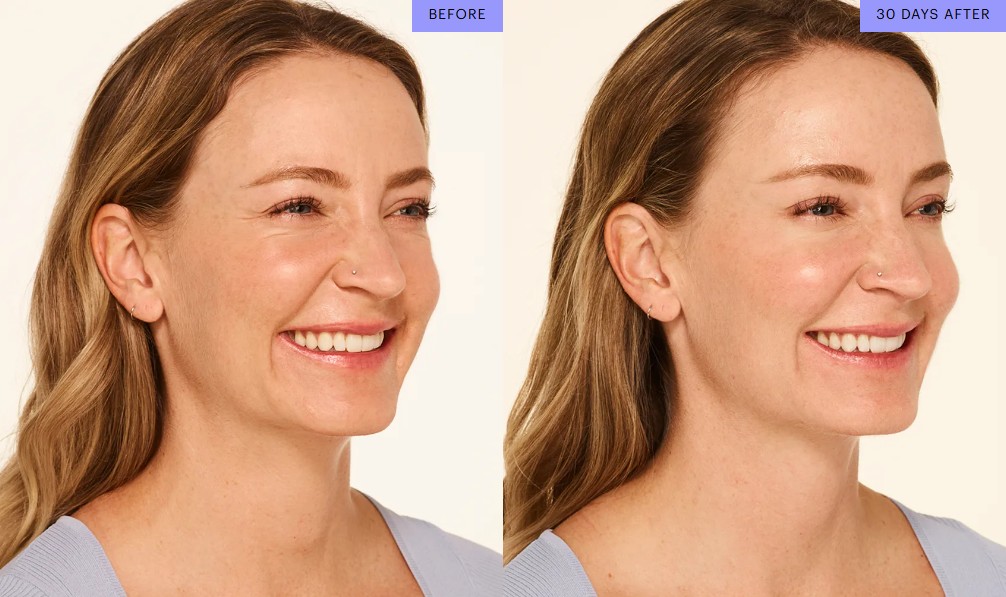
Botox after significant weight loss is one of the fastest-growing aesthetic conversations of 2026 — because millions of people on GLP-1 medications are achieving the body transformation they wanted and then encountering something nobody warned them about: the face ages differently than the body slims. The term “Ozempic face” has moved from social media slang to clinical terminology, with Galderma (the maker of botulinum toxin products) reporting a 25% sales increase in 2026 driven substantially by GLP-1 patients.
This guide covers everything you need to know about Botox after significant weight loss: why the face changes with rapid weight loss, what the 2026 consensus guidelines actually recommend, when timing matters, what Botox specifically addresses (versus fillers), and what a comprehensive facial restoration approach looks like in practice. Aesthetic treatment information is available through the Joint Council for Cosmetic Practitioners.
Professional Botox service for post-weight-loss facial restoration — transparent pricing, experienced practitioners.
Explore Botox →Botox After Significant Weight Loss — fact 1: why the face changes
Understanding Botox after significant weight loss starts with understanding why the face changes when significant weight is lost. The face does not simply “shrink proportionally” — it has its own complex structure of fat compartments, ligaments, and soft tissue layers that respond to weight loss differently from the body overall.
A 2026 anatomical review published in PubMed described GLP-1-associated facial changes as involving multiple structural layers simultaneously: deflation of subcutaneous facial fat compartments, loss of deeper structural support from buccal fat and temporal fat pads, and increased skin laxity as the skin’s elasticity struggles to contract proportionally to the volume it has lost. The result is what is clinically described as a “skeletonised” appearance — visible bone structure where fat cushioning previously provided a smooth, youthful contour.
A useful reframe for anyone considering Botox after significant weight loss: the facial changes are not the medication ageing your face. Weight loss revealed or accelerated the visibility of facial changes that previous volume had been masking. The fat that was supporting the face was doing double duty — contributing to a heavier body while simultaneously providing the structural volume that created a youthful appearance. Losing it exposes the underlying anatomy that was always there.
Botox After Significant Weight Loss — fact 2: how much facial volume you actually lose
The clinical magnitude of facial volume loss during rapid weight loss is now quantified by radiographic data. A 2026 study measuring midfacial volume changes found approximately 7% midfacial volume loss per 10kg of bodyweight lost. This is a significant figure for anyone on retatrutide: losing 25-30% of body weight — as TRIUMPH-1 showed is achievable — translates to 17.5-21% midfacial volume reduction for an average-weight person.
| Weight loss | Estimated midfacial volume loss | Visible impact |
|---|---|---|
| 10kg (~22 lbs) | ~7% | Subtle — early signs of hollowing |
| 20kg (~44 lbs) | ~14% | Moderate — cheek and temple changes visible |
| 30kg (~66 lbs) | ~21% | Significant — structural facial change |
| 40kg+ (~88 lbs+) | ~28%+ | Substantial — comprehensive restoration needed |
The cheeks are particularly important in the Botox after significant weight loss context. Youthful cheeks provide structural support to the midface — when midfacial volume decreases, the transition between the lower eyelid and cheek becomes more pronounced, under-eye hollows become more visible, and the nasolabial folds (smile lines) deepen as midfacial support is lost. These are interconnected structural changes rather than isolated ageing signs.
Botox After Significant Weight Loss — fact 3: Ozempic face explained
“Ozempic face” is the term used for the specific facial changes associated with rapid GLP-1-driven weight loss — and it has transitioned from social media commentary to clinical terminology with its own treatment protocols in 2026. The characteristics are distinct enough that aesthetic practitioners are now training specifically in GLP-1 facial restoration as a service category.
The presentation of Ozempic face that prompts patients to seek Botox after significant weight loss typically includes: hollow cheeks with visible zygomatic (cheekbone) prominence, deflated temples creating a narrowed upper face, more pronounced nasolabial folds as midface support reduces, deepened marionette lines at the corners of the mouth, increased skin laxity in the jowl area, and more prominent forehead and glabellar lines as the fat cushioning beneath the skin thins.
Botox after significant weight loss specifically addresses the dynamic wrinkle component of this picture — forehead lines, frown lines, crow’s feet, and bunny lines — which become more visible as facial fat diminishes. Botox does not address volume loss or skin laxity, which require fillers and energy-based treatments respectively. The clinical significance is that Botox after significant weight loss is typically most effective as part of a combination approach rather than a standalone treatment.
Botox After Significant Weight Loss — fact 4: what Botox specifically treats
Clarity about what Botox after significant weight loss actually does — and what it doesn’t — is essential for realistic expectations. Botox (botulinum toxin) temporarily relaxes the specific muscles responsible for dynamic wrinkles — lines caused by facial movement rather than by volume loss or skin laxity. This distinction matters enormously in the post-weight-loss context.
What Botox after significant weight loss effectively addresses:
- Forehead lines — horizontal lines from frontalis muscle movement, which become more prominent as forehead fat thins
- Frown lines (glabella) — vertical lines between the brows from corrugator muscle activity
- Crow’s feet — lines radiating from the outer eye corners from orbicularis oculi muscle
- Bunny lines — diagonal lines on the nose bridge from nasalis muscle
- Lip lines — perioral lines worsened by orbicularis oris activity
- Jaw and neck contouring — masseter reduction for jaw slimming, platysmal bands in the neck
What Botox after significant weight loss does NOT address:
- Volume loss — hollow cheeks, sunken temples, deepened nasolabial folds from fat loss require dermal fillers
- Skin laxity — loose or sagging skin requires biostimulatory treatments, energy-based devices, or surgical intervention
- Structural repositioning — jowl formation requires PDO threads, lifting treatments, or surgery
Botox After Significant Weight Loss — fact 5: 2026 consensus guidelines
The first global consensus-based guidelines specifically for managing medication-driven weight loss patients in aesthetics were published in January 2026 in the Journal of Cosmetic Dermatology. These guidelines represent the most authoritative current framework for Botox after significant weight loss and related treatments — and they change some common practices.
Key recommendations from the 2026 consensus for Botox after significant weight loss patients:
- Prioritise biostimulatory injectables first — treatments that stimulate collagen production (Sculptra, Radiesse, bioremodellers like Profhilo) address skin quality before volume is added
- Stage treatment across multiple visits — the 2026 patient wants a comprehensive plan across 3-4 visits rather than a single session; rushing comprehensive treatment while weight loss is still ongoing risks suboptimal results
- Botox for dynamic wrinkles can start earlier — unlike fillers, Botox is not affected by continued weight changes and can be started before goal weight is reached
- Combination protocols are standard — micro-dosed Botox plus bioremodeller plus cheek filler plus PDO threads is the 2026 consensus approach, not Botox alone
- GLP-1 facial restoration is now a distinct service category — practitioners experienced in this specific patient cohort produce significantly better results than those applying standard ageing protocols
Botox After Significant Weight Loss — fact 6: timing is everything
When to start Botox after significant weight loss matters more than most patients expect. The key timing question divides into two separate considerations: Botox for dynamic wrinkles, and fillers for volume restoration.
For Botox after significant weight loss specifically — addressing forehead lines, frown lines, crow’s feet — timing is more flexible. Botox does not depend on facial volume being stable, and wrinkle treatment can meaningfully improve appearance at any point during the weight loss journey. The primary consideration is that as weight continues to be lost, the wrinkles being treated may become more prominent over time, requiring adjusted protocols.
For dermal filler volume restoration — the more significant component of post-weight-loss facial restoration — expert consensus including the 2026 guidelines recommends waiting until within approximately 5 lbs (2.3 kg) of goal weight. The reason: while weight loss is actively progressing, the face continues changing. Filler placed during active weight loss may end up in an anatomically different distribution than intended as the face continues evolving. Committing significant investment to comprehensive volume restoration during active loss risks needing to redo treatment as the face continues to change.
Start Botox for dynamic wrinkles during weight loss — it doesn’t depend on stability. Wait for dermal filler volume restoration until within 5 lbs of goal weight. This sequencing gets you the cosmetic improvements available now while preserving the investment-intensive filler work for when results will last longest. Many practitioners offer staged treatment plans that build on this approach.
Botox After Significant Weight Loss — fact 7: a complete restoration approach
The most effective Botox after significant weight loss outcomes come from treating it as one component of a layered facial restoration plan rather than a standalone intervention. The 2026 consensus-recommended approach works from deep to superficial:
- Structural foundation — biostimulatory injectables (Sculptra, Radiesse) to stimulate collagen production and rebuild the skin’s internal support structure. Staged over 2-3 sessions.
- Volume restoration — dermal fillers in the midface (cheeks, temples) and lower face (nasolabial folds, marionette lines). Best placed once near goal weight.
- Dynamic wrinkle management — Botox after significant weight loss for forehead, frown lines, crow’s feet. Can start during active weight loss phase. “Baby Botox” (lower doses, more natural movement) is the 2026 trend — avoiding the “frozen face” look that reads as artificial.
- Skin quality — bioremodellers (Profhilo), RF microneedling, or laser resurfacing for skin texture and tone improvement.
- Repositioning if needed — PDO threads for mild jowling and sagging. Surgical options (facelift, neck lift) for significant skin excess that non-surgical approaches cannot adequately address.
Botox after significant weight loss isn’t about reversing ageing — it’s about ensuring the face reflects the transformation the body has achieved. When done well, it completes the story that weight loss started. When rushed or done without the broader volume picture, it risks highlighting the volume loss further rather than addressing it.
Our aesthetic guidanceFor the weight loss journey that creates the context for Botox after significant weight loss, explore our Synedica Retatrutide product page. For Botox treatment, explore our Botox service page.
Botox and dermal filler treatments should only be administered by practitioners registered with the Joint Council for Cosmetic Practitioners (JCCP) or equivalent regulatory body. Post-weight-loss facial restoration requires specific expertise in this patient cohort — ask whether your practitioner has experience with GLP-1-associated facial changes before booking. This article is for informational purposes only and does not constitute medical or aesthetic advice.
Common questions — Botox after significant weight loss
Ready to complete your transformation?
Explore our Botox service — experienced practitioners specialising in post-weight-loss facial restoration.
Explore Botox →