
BPC-157 and weight loss — 7 critical facts.
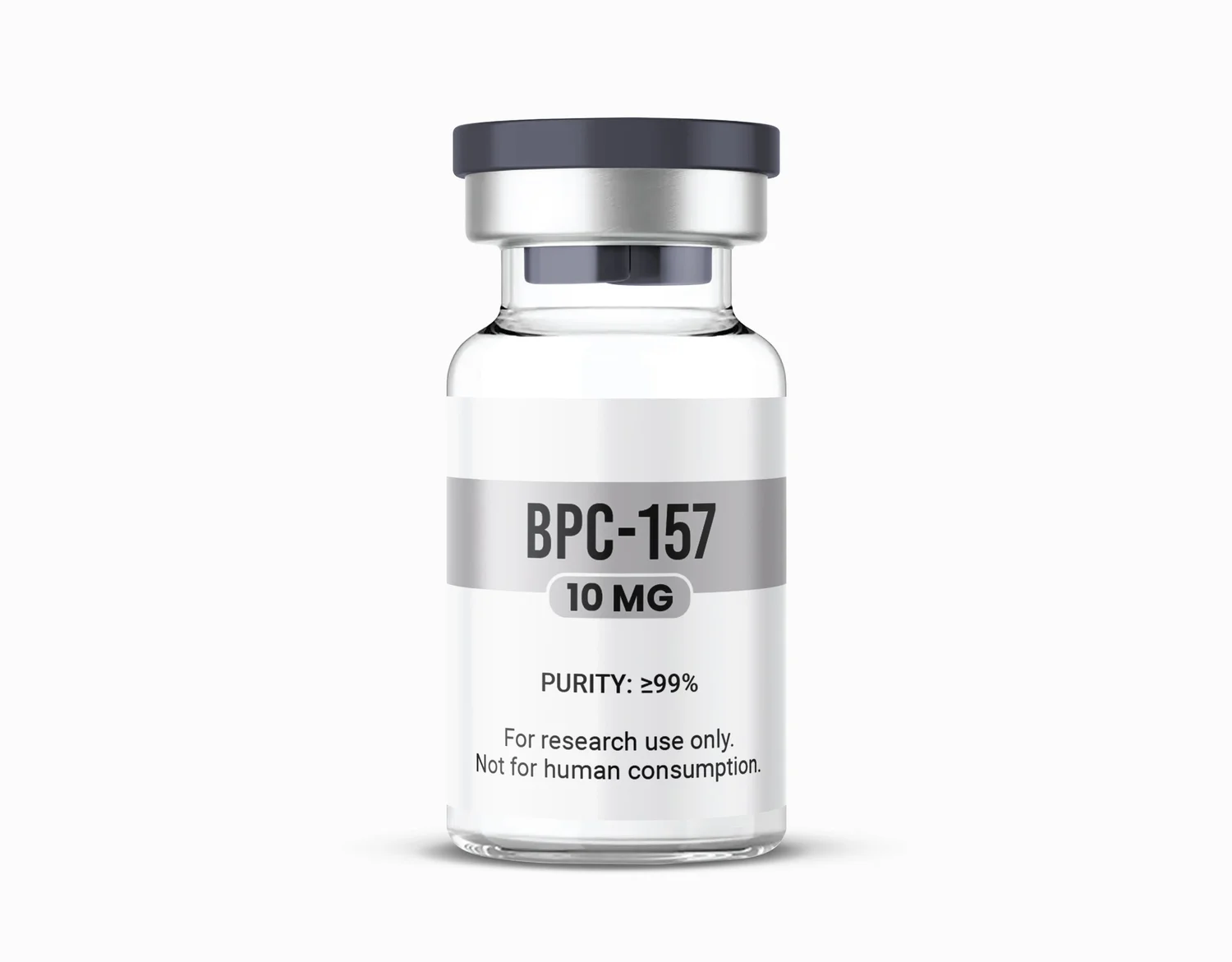
BPC-157 and weight loss is one of the most searched peptide combinations of 2026 — and one of the most consistently overhyped. If you’ve landed here hoping for confirmation that BPC-157 is an effective fat loss compound, this guide is going to disappoint you with honesty: the evidence doesn’t support that claim. If you’ve come wanting to understand what BPC-157 actually does, what the human data genuinely shows, and what a more evidence-backed alternative looks like, read on.
This guide covers the complete BPC-157 and weight loss picture: the real evidence base (not the marketing version), what BPC-157 was actually studied for, the legitimate niche where it may have value alongside GLP-1 protocols, the 2026 regulatory changes, and why the compound’s interesting biology does not translate into fat loss in any meaningful way. General peptide information is available through the MHRA.
Synedica Retatrutide — 30.3% weight loss in Phase 3 human trials. The highest result ever recorded.
Explore Synedica Retatrutide →BPC-157 and Weight Loss — fact 1: what BPC-157 actually is
BPC-157 (Body Protection Compound-157) is a synthetic peptide consisting of 15 amino acids, derived from a protein found naturally in human gastric juice. It was originally studied for its ability to protect the stomach lining — the “body protection” in its name refers to gastrointestinal protection, not a broader systemic protective effect as the marketing sometimes implies.
The research areas where BPC-157 has generated the most interest are gut lining repair, tendon and ligament healing, anti-inflammatory effects, and — more recently — neuroprotection. These are genuinely interesting research directions with substantial preclinical (animal) evidence. None of them are weight loss. Understanding what BPC-157 and weight loss discussions are actually about requires separating the compound’s real research identity from the fat loss claims that have been attached to it primarily through online communities rather than clinical data.
BPC-157 and Weight Loss — fact 2: the human evidence (all of it)
The most important fact about BPC-157 and weight loss is also the simplest: there are no published randomised controlled trials studying BPC-157’s effects on body weight, fat mass, or any weight-related endpoint in human subjects.
The total human evidence base for BPC-157 across all indications is remarkably thin. As of March 2026, fewer than 30 people have been studied across all published human BPC-157 trials combined. The only notable human study — a 2015 Phase I safety trial with 42 volunteers — was never published after completion. No explanation was provided for the non-publication. A Phase 2 trial for inflammatory bowel disease was initiated but results had not been published as of April 2026. As of March 2026, no trials for BPC-157 were actively recruiting on ClinicalTrials.gov.
| BPC-157 human evidence | Status |
|---|---|
| Total published human trials | 3 (all pilot studies, no RCTs) |
| Total human subjects studied | Fewer than 30 |
| 2015 Phase I trial (42 volunteers) | Completed but never published |
| Phase 2 IBD trial | Initiated — results not published as of Apr 2026 |
| Active trials on ClinicalTrials.gov | None recruiting as of March 2026 |
| Human trials measuring weight loss | Zero |
The preclinical BPC-157 evidence is entirely different — hundreds of animal studies showing consistent positive effects for gut repair, tendon healing, and anti-inflammatory outcomes. Animal-to-human translation for peptide compounds is historically poor, but the animal data is at least robust and reproducible. The crucial gap is the absence of human data translating any of this into clinical benefit, let alone weight loss specifically.
BPC-157 and Weight Loss — fact 3: no direct fat loss mechanism
Beyond the absence of human evidence, the BPC-157 and weight loss claim also lacks a credible direct mechanistic basis. Compare this to compounds with established fat loss mechanisms: GLP-1 receptor activation suppresses appetite through central nervous system satiety signalling; glucagon receptor activation drives hepatic fat oxidation; SIRT1 activation through NAD+ promotes adipose tissue lipolysis. These are characterised, well-studied pathways.
BPC-157’s documented mechanisms — stabilisation of the gastric mucosa, angiogenic stimulation (promoting new blood vessel formation), modulation of dopamine and serotonin pathways in animal models, and tendon growth factor upregulation — do not include any pathway that would directly drive fat loss, suppress appetite, or increase metabolic rate in the way that GLP-1 class compounds do.
The indirect BPC-157 and weight loss theories that circulate in research communities are typically: inflammation reduction allows more effective exercise (preclinical only); gut healing allows better nutrient absorption during caloric restriction (speculative); and dopamine pathway effects reduce food cravings (extremely speculative, based on rodent studies). None of these indirect pathways have been studied in human weight loss trials.
BPC-157 and Weight Loss — fact 4: where it may have indirect value
There is one genuinely plausible — though still preclinical — rationale for discussing BPC-157 and weight loss in the same sentence: its gastroprotective properties may have value alongside GLP-1 medications during their significant gastrointestinal side effect phase.
Retatrutide causes nausea in 42.4% of users at the 12mg dose, diarrhoea in 32%, constipation in 26.1%, and vomiting in 25.3% — primarily during dose escalation. BPC-157’s original research context was gut lining protection and gastroprotection. Some researchers propose that BPC-157 alongside GLP-1 treatment may help maintain gut integrity during the most difficult GI side effect phase, potentially improving tolerability and reducing discontinuation risk.
This is a mechanistically interesting hypothesis. It is not supported by human clinical trial evidence for this specific combination. It is worth noting for researchers interested in GI support during retatrutide escalation — but it should be framed as an indirect supportive role, not a fat loss mechanism. The BPC-157 and weight loss connection here is: better GI tolerability may allow people to stay on retatrutide longer, which produces the weight loss through entirely different mechanisms.
BPC-157 and Weight Loss — fact 5: 2026 regulatory changes
The regulatory landscape for BPC-157 changed meaningfully in 2026. In April 2026, the FDA removed BPC-157 from its Category 2 list — the list of substances with safety concerns that had previously restricted them from compounding pharmacies in the US. This removal means BPC-157 can now be included in compounding pharmacy formulations while the Pharmacy Compounding Advisory Committee (PCAC) conducts its review of whether to include it on the 503A bulk drug substances list.
This regulatory shift is worth noting clearly: FDA Category 2 removal does not constitute safety approval, efficacy approval, or any endorsement of BPC-157 for any therapeutic use, including BPC-157 and weight loss. It means the FDA has removed a previous restriction. The compound remains unapproved for any indication. The PCAC review is ongoing.
For UK researchers, the MHRA regulatory context is different: BPC-157 is not a controlled substance under the Misuse of Drugs Act 1971 and can be purchased as a research compound, but it has no MHRA marketing authorisation and cannot be legally prescribed as a medicine.
BPC-157 and Weight Loss — fact 6: legal status UK
The legal status of BPC-157 in the UK for those researching the BPC-157 and weight loss topic: BPC-157 is not listed as a controlled substance under the UK’s Misuse of Drugs Act 1971 or the Psychoactive Substances Act 2016. It can be legally purchased as a research compound for laboratory purposes.
One important caveat for competitive athletes considering BPC-157 and weight loss as part of a performance or physique context: the World Anti-Doping Agency (WADA) prohibits BPC-157 under its Prohibited List as an “unapproved substance.” No therapeutic exemption exists for this prohibition. Athletes subject to WADA anti-doping rules — including those competing in tested sports at any level — should be aware that BPC-157 use would result in a doping violation regardless of its UK legal status as a research compound.
BPC-157 and Weight Loss — fact 7: a more effective alternative
The honest conclusion of the BPC-157 and weight loss evidence review is this: if weight loss is your goal, BPC-157 is not the compound you are looking for. Not because it has been studied and found ineffective — it hasn’t been studied for fat loss at all in humans. But because the evidence gap is total, the mechanism is absent, and alternatives with actual Phase 3 human data exist in the same research compound space.
Retatrutide is the direct evidence-based alternative for anyone researching BPC-157 and weight loss with actual fat reduction as the goal. The comparison is stark: BPC-157 has zero human RCTs for fat loss, zero characterised fat loss mechanism, and a cancelled Phase I trial with unpublished results. Retatrutide has a 2,339-person Phase 3 trial showing 30.3% weight loss at 104 weeks through three well-characterised receptor pathways, with FDA filing planned Q1 2027.
BPC-157 and weight loss don’t have a meaningful evidence-based connection. BPC-157 is an interesting research compound for gut healing and tissue repair — and that’s a legitimate area of ongoing research. It’s simply not a fat loss compound, and treating it as one means pursuing an expensive and uncertain path when compounds with extraordinary Phase 3 weight loss data are available.
Our research guidanceFor the evidence-backed alternative, explore our Synedica Retatrutide product page — the highest-evidence research compound available for fat loss goals. For a ranked comparison of all fat loss peptides by human evidence, read our best peptides for fat loss UK guide.
BPC-157 has no MHRA marketing authorisation and no FDA-approved indication. It is a research compound for laboratory use only under UK law. This article reflects published human trial evidence as of September 2026. WADA prohibits BPC-157 for competitive athletes. FDA regulatory status is evolving — check current guidance before any research protocol decisions. This article is for informational purposes only.
Common questions — BPC-157 and weight loss
Looking for a more effective solution to your weight goal?
Synedica Retatrutide — 30.3% weight loss in Phase 3. The highest-evidence fat loss compound available as a research peptide in the UK.
Explore Synedica Retatrutide →