
Can you take painkillers with Mounjaro? — 6 critical facts.
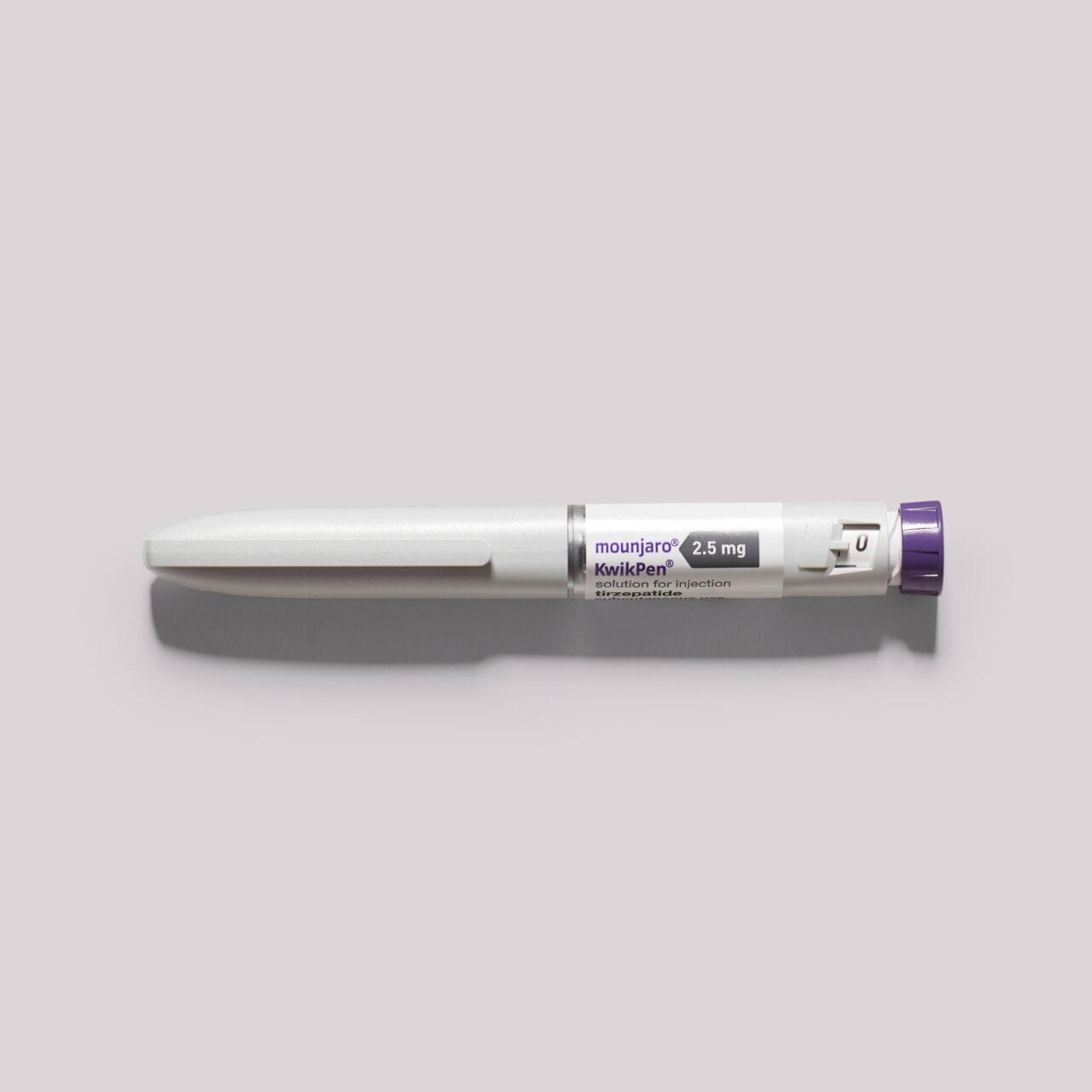
Can you take painkillers with Mounjaro is a practical question that comes up quickly once treatment starts — headaches, muscle aches, and everyday pain don’t pause just because you’ve begun a new medication. The reassuring answer is that most common painkillers remain an option, though not all equally, and knowing which ones deserve a bit more thought makes the whole process far less stressful.
This guide explains which painkillers are genuinely the safer choice, why NSAIDs deserve more caution than paracetamol, and the kidney and stomach considerations that actually matter — everything you need to answer can you take painkillers with Mounjaro confidently. General medicines guidance for Ireland is available through the HSE.
See transparent pricing across our full GLP-1 range.
Explore Mounjaro →Can You Take Painkillers With Mounjaro — fact 1: paracetamol first
Paracetamol is generally considered the safest first-choice painkiller alongside Mounjaro and other GLP-1 class medications. A published medication-interaction study specifically involving semaglutide, a related medication, found no meaningful change in the total amount of paracetamol absorbed into the body, even though semaglutide slows gastric emptying in a similar way to Mounjaro.
The practical takeaway is reassuring: the peak effect of paracetamol may arrive slightly later than usual, but the overall pain relief you get is essentially unchanged. This reasoning is expected to apply similarly to Mounjaro given the shared underlying gastric-emptying mechanism across the GLP-1 class.
Can You Take Painkillers With Mounjaro — fact 2: NSAIDs need care, not avoidance
NSAIDs — ibuprofen, naproxen, diclofenac — have no known direct pharmacological interaction with Mounjaro. This means one drug doesn’t block or interfere with how the other works chemically. The caution here is entirely about compounding side effects, not a drug interaction in the traditional sense.
Both NSAIDs and Mounjaro can independently irritate the gastrointestinal tract — NSAIDs by eroding the stomach’s protective lining, and Mounjaro through nausea and slowed digestion, particularly during dose escalation. Used together regularly or at higher doses, these effects can add up rather than cancel out.
| Painkiller type | General guidance |
|---|---|
| Paracetamol | First-line choice — no significant absorption change shown in interaction studies |
| Oral NSAIDs (ibuprofen, naproxen) | Occasional use with food generally acceptable; caution with regular use |
| Topical NSAIDs | Lower systemic risk — useful for localised joint or muscle pain |
| Opioids | Share gut-slowing effect — discuss regular use with your GP or pharmacist |
This distinction between direct interaction and compounding side effects matters practically too — it means occasional, sensible NSAID use is generally not something to fear while on Mounjaro, but it does mean treating NSAIDs as a considered choice rather than an automatic reach, particularly once you’re a few weeks into treatment and still adjusting to how your digestive system responds to the medication.
Can You Take Painkillers With Mounjaro — opioids need special thought
Opioid painkillers — codeine, tramadol, and stronger prescription options sometimes used after surgery or injury — share a gut-slowing mechanism with Mounjaro. Both independently tend to cause constipation, and using them together can compound this into a more significant digestive issue than either would cause alone.
This isn’t a reason to avoid necessary opioid pain relief outright, but it is a genuine reason to flag both medications clearly to whoever is managing your care — your GP, a hospital team, or your community pharmacist — so digestive side effects can be actively monitored and managed proactively, such as through increased fluid and fibre intake, rather than waiting for constipation to become uncomfortable.
This consideration applies with particular relevance to short-term post-surgical or post-injury pain management, where opioid use is common and temporary. If you know in advance that you’ll need opioid pain relief for a procedure while also using Mounjaro, mentioning this proactively — rather than after constipation has already set in — allows for a preventative plan to be put in place from the very start.
Can You Take Painkillers With Mounjaro — fact 3: the kidney mechanism
This is the part of the painkillers with Mounjaro conversation that deserves the most genuine attention. NSAIDs work partly by inhibiting certain prostaglandins — but some of those same prostaglandins play a protective role in maintaining blood flow to the kidneys. Reducing them can meaningfully lower kidney blood flow, particularly during dehydration.
Mounjaro can cause nausea, reduced appetite, and occasionally vomiting or diarrhoea — all of which can lead to dehydration if fluid intake isn’t actively maintained. When reduced kidney blood flow from NSAID use overlaps with dehydration from these side effects, the combined risk of acute kidney injury rises meaningfully above either factor alone.
The single most effective way to reduce the NSAID-and-kidney risk while on Mounjaro is straightforward: stay well hydrated, especially if you’re experiencing nausea or reduced appetite, and avoid NSAIDs during periods of vomiting or diarrhoea specifically.
Can You Take Painkillers With Mounjaro — fact 4: the “triple whammy”
There is a specific, well-recognised combination in kidney medicine known as the “triple whammy” — an NSAID taken alongside both an ACE inhibitor or ARB (common blood pressure medications) and a diuretic. Each affects kidney blood flow through a different mechanism, and together they significantly increase acute kidney injury risk.
This matters directly for the painkillers with Mounjaro conversation because many people managing weight also manage blood pressure with exactly these kinds of medications. If you take an ACE inhibitor, ARB, or diuretic and are also considering regular NSAID use, flag this three-way combination explicitly to your GP or Irish pharmacist rather than assuming general NSAID caution alone covers it.
Selective COX-2 inhibitors, such as celecoxib, are sometimes suggested as a lower-renal-risk alternative to traditional NSAIDs like ibuprofen or naproxen for people who need regular anti-inflammatory pain relief but carry these additional risk factors. This is a prescription-only option in Ireland and a conversation worth having directly with your GP rather than a self-directed switch, particularly if you’re already managing blood pressure alongside Mounjaro treatment.
Can You Take Painkillers With Mounjaro — fact 5: topical NSAIDs
For localised pain — a sore knee, a strained muscle, hand joint discomfort — topical NSAID gels and creams are a genuinely underused option, widely available at any Irish pharmacy. Because far less of the active drug enters the bloodstream compared to an oral tablet, both the stomach irritation risk and the kidney blood flow concern are substantially reduced.
Clinical guidance for conditions like knee and hand osteoarthritis actually recommends trying topical NSAIDs before oral ones as standard practice, independent of Mounjaro use entirely. For anyone managing joint pain while on Mounjaro, this is worth asking your pharmacist about as a first option.
Can You Take Painkillers With Mounjaro — fact 6: your pharmacist is a resource
Irish pharmacists are highly accessible, qualified healthcare professionals who can give tailored painkiller advice without needing a GP appointment. Simply mentioning that you’re on Mounjaro when buying an over-the-counter painkiller allows them to flag any specific consideration relevant to your situation.
This kind of quick pharmacy consultation is often underused simply because people don’t realise it’s available without an appointment or extra charge for the advice itself. If you’re ever uncertain whether a specific over-the-counter product is sensible alongside Mounjaro, asking at the counter takes only a moment and draws on genuine clinical training, rather than guessing or relying on general online information that may not account for your individual health profile.
- New or worsening upper abdominal pain after taking an NSAID — a possible sign of gastric irritation.
- Black or tarry stools, or blood in vomit — signs of gastrointestinal bleeding requiring immediate medical attention.
- Significantly reduced urine output, or very dark urine — possible signs of dehydration or kidney compromise.
- Escalating nausea that becomes disruptive after adding a painkiller, rather than settling as expected.
Painkillers with Mounjaro is not a story of forbidden combinations — it’s a story of sensible defaults. Paracetamol first, NSAIDs with food and proper hydration, topical options for localised pain, and your local pharmacist as a genuinely useful resource along the way.
Our clinical guidanceFor more on managing Mounjaro treatment in Ireland, read our guide on Mounjaro cost Ireland. Explore our Mounjaro product page, or read patient reviews.
None of this should feel intimidating — the overwhelming majority of people who ask can you take painkillers with Mounjaro find that most common painkillers work perfectly well without any noticeable issue at all. Knowing the handful of genuine considerations above simply means you’re prepared rather than caught off guard.
This article is for informational purposes only and does not constitute medical advice. Always consult a qualified healthcare provider or pharmacist before combining any medications, particularly if you have existing kidney, stomach, or cardiovascular conditions, or if you are already taking other regular prescription medications alongside Mounjaro.
Common questions — painkillers with Mounjaro
Explore your GLP-1 options today.
Transparent, all-inclusive pricing with 24/7 support — helping you find the right treatment path.
Explore Mounjaro →