
Glow peptides UK — 7 critical facts about what they actually are.
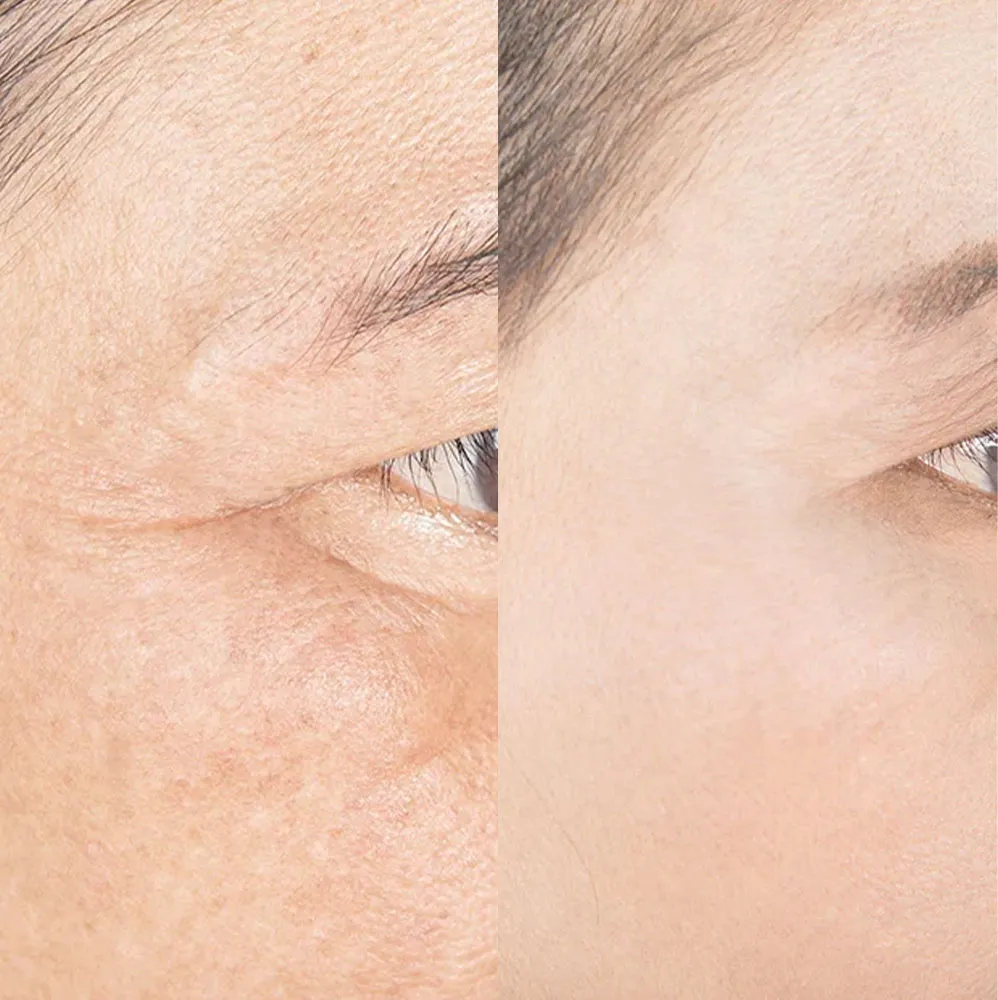
Glow peptides UK is one of the fastest-growing aesthetic search terms of 2026 — but it’s also one of the most meaningless from an evidence standpoint, because “glow peptides” isn’t a specific compound. It’s a marketing category that bundles together multiple distinct peptides with wildly different evidence bases, from well-studied collagen-boosting topicals to unregulated injectable cocktails that clinical sources explicitly characterise as ahead of the science. Knowing which is which is the difference between informed choices and expensive disappointment.
This guide covers the complete glow peptides UK picture: what the term actually means, which specific compounds sit under the umbrella, what the evidence says for each, the injectable glow trend and its 2026 clinical assessment, and what genuinely works for UK buyers seeking skin improvement. General aesthetic treatment guidance is available through the Joint Council for Cosmetic Practitioners.
Pair skin-focused glow work with the UK’s highest-evidence weight loss research compound.
Explore Synedica Retatrutide →Glow Peptides UK — fact 1: what “glow peptides” actually means
The first and most important glow peptides UK fact is definitional: “glow peptides” is not a scientific term. It is a marketing category — a collective label applied to various skin-targeting peptides that claim to improve radiance, stimulate collagen production, and support skin health. The compounds most commonly grouped under the glow peptides UK umbrella include:
- GHK-Cu (copper peptide) — naturally occurring tripeptide, extensively studied for collagen stimulation and skin remodelling
- Hydrolysed collagen peptides — oral supplements providing amino acid building blocks and signalling molecules for skin collagen production
- Matrixyl (palmitoyl tripeptide-1 and palmitoyl tetrapeptide-7) — synthetic peptides that signal fibroblasts to produce collagen
- Argireline (acetyl hexapeptide-3) — a “Botox-like” peptide that reduces the intensity of facial muscle contractions
- Injectable cocktails — proprietary blends often containing GHK-Cu, BPC-157, TB-500, and/or vitamins
Each of these has a completely different evidence base, mechanism, and regulatory status. Treating them as interchangeable options under the glow peptides UK banner is like treating all “weight loss products” as equivalent — the label tells you nothing meaningful about what you’re actually getting.
Glow Peptides UK — fact 2: collagen peptides — the strongest evidence
Oral hydrolysed collagen peptides are the most evidence-backed component of the glow peptides UK category. A 2026 review in Food, Nutrition and Health, alongside multiple prior meta-analyses, confirmed that oral collagen peptides improve skin hydration, elasticity, and dermal collagen density — making them genuinely functional rather than merely trendy.
The mechanism is well-characterised: hydrolysed collagen peptides — particularly marine collagen tripeptides like Gly-Pro-Hyp — are absorbed intact through the intestinal wall and delivered to skin fibroblasts, where they bind to receptors and trigger collagen synthesis. Marine collagen has superior bioavailability compared to bovine or porcine sources due to its smaller particle size and higher proportion of type I collagen. A 2026 systematic review and meta-analysis found marine collagen delivered the most potent skin anti-ageing effects relative to other collagen sources.
For glow peptides UK buyers specifically: oral collagen peptides are legal, widely available, evidence-backed, and appropriate for daily long-term use. They are the least exciting part of the glow peptides UK conversation — but they have the most consistent human evidence of any compound in the category.
Glow Peptides UK — fact 3: GHK-Cu — the best-evidenced injectable candidate
Within the glow peptides UK category, GHK-Cu (glycine-histidine-lysine copper) has the strongest controlled human trial evidence for skin improvement — and the most legitimate scientific rationale for inclusion in any genuine skin rejuvenation protocol. A 2024 RCT (60 women, 0.1% topical cream, 12 weeks) showed 31% wrinkle reduction, 28% improved elasticity, and 15.6% collagen density increase. A 2025 meta-analysis of 7 RCTs (n=456) confirmed statistically significant wrinkle reduction (p<0.001).
Critically, all of this evidence is from topical formulations. The injectable GHK-Cu trend — which has accelerated significantly in 2026 — extrapolates from topical data and preclinical research. GHK-Cu’s genuine evidence for skin benefit does not extend to injectable protocols, for which no controlled human RCTs have been published. For the complete GHK-Cu picture, read our dedicated GHK-Cu copper peptide benefits guide.
Glow Peptides UK — fact 4: Matrixyl and Argireline
Matrixyl (the brand name for palmitoyl tripeptide-1 combined with palmitoyl tetrapeptide-7) is the most widely used synthetic peptide in premium UK skincare products. It works by signalling fibroblasts to produce collagen and by reducing the breakdown of existing collagen through matrix metalloproteinase inhibition. A 2009 University of Reading study funded by Procter & Gamble found Matrixyl 3000 reduced wrinkle volume by 45% over 2 months — though this study was industry-funded and has not been independently replicated at that effect size.
Argireline (acetyl hexapeptide-3) is often called the “Botox in a jar” peptide — it works by competing with proteins involved in muscle contraction at the neuromuscular junction, mildly reducing the intensity of facial muscle movements. Its effect is far weaker than botulinum toxin and is confined to the superficial dermis when applied topically. It is real, measurable, and modest — not a Botox replacement but a legitimate addition to a topical anti-wrinkle routine.
Both Matrixyl and Argireline feature heavily in premium glow peptides UK skincare formulations. Both have reasonable but not overwhelming independent evidence. Both are legal cosmetic ingredients with no regulatory concerns for topical use in the UK.
Glow Peptides UK — fact 5: injectable glow cocktails — 2026 clinical assessment
The most heavily marketed and most clinically concerning part of the glow peptides UK category is the injectable glow cocktail trend. These protocols — often proprietary blends combining GHK-Cu, BPC-157, TB-500, vitamins, and other compounds — are being marketed aggressively in 2026 for subcutaneous injection at home or in unlicensed aesthetic clinics.
The 2026 clinical assessment of this trend is unambiguous. Midi Health, a clinical practitioner network, published an explicit characterisation in August 2026: injectable glow peptides are “currently not regulated or well-studied, let alone clinically proven.” This is not a minority opinion — it reflects the absence of published controlled human injection trials for these cocktails, combined with active regulatory concern about unlicensed injectable products entering the UK market through online channels.
The risk-benefit calculation is unfavourable compared to established alternatives. Botulinum toxin (Botox) and dermal fillers — which are MHRA-regulated, clinician-administered, and backed by decades of safety data — are substantially more evidenced than injectable glow cocktails for the same aesthetic goals. The glow peptides UK injectable trend represents the pattern seen repeatedly in aesthetic medicine: a genuinely interesting preclinical concept being commercially deployed ahead of the human evidence that would justify it.
No injectable glow peptide cocktail has MHRA marketing authorisation. Many are sold online for self-injection without any clinical oversight. Individual compounds like GHK-Cu have preclinical safety data — but injecting unregulated blends of multiple compounds without established dosing, purity verification, or practitioner oversight carries risks that topical use of the same compounds does not. If skin rejuvenation is the goal, MHRA-regulated treatments administered by JCCP-registered practitioners offer substantially better risk profiles.
Glow Peptides UK — fact 6: legal status in the UK
The legal status of glow peptides UK varies significantly by form and compound:
- Topical cosmetic products (GHK-Cu cream, Matrixyl serum, Argireline cream) — legal cosmetics under UK cosmetic products regulation. Widely sold, no prescription required.
- Oral collagen supplements — legal food supplements under UK food law. No prescription required.
- Injectable GHK-Cu — no MHRA marketing authorisation. Cannot be legally supplied for human medicinal use. May be purchased as a research compound for laboratory research only.
- Injectable BPC-157, TB-500 — not controlled substances but no MHRA authorisation. Same research compound status as GHK-Cu injectable.
- Botulinum toxin (Botox) — prescription-only medicine in the UK. Can only be legally administered by or under the supervision of an independent prescriber. The gold standard for dynamic wrinkle treatment with an established regulatory framework.
Glow Peptides UK — fact 7: what actually works by evidence tier
The honest glow peptides UK evidence hierarchy:
| Compound/treatment | Form | Evidence quality | UK legal status |
|---|---|---|---|
| Marine collagen peptides (oral) | Supplement | Multiple RCTs — solid | Legal food supplement |
| GHK-Cu (topical) | Cream/serum | Strong RCT evidence (31% wrinkle reduction) | Legal cosmetic |
| Matrixyl (topical) | Cream/serum | Reasonable — industry-funded studies | Legal cosmetic |
| Argireline (topical) | Cream/serum | Moderate — mild muscle relaxant effect | Legal cosmetic |
| Botulinum toxin (Botox) | Injectable | Gold standard — decades of evidence | Prescription-only medicine |
| Injectable glow cocktails | Injectable | No human RCTs — ahead of the science | No MHRA authorisation |
Glow peptides UK is a genuine category of interesting compounds with real biological potential — but the term has been stretched to cover everything from well-evidenced oral collagen supplements to unregulated injectable cocktails with no human trial data. The evidence quality matters as much as the mechanism, and in this category the gap between best and worst is enormous.
Our research guidanceFor the most evidence-based skin injectable available in the UK, explore our Botox service page. For GHK-Cu specifically, read our GHK-Cu copper peptide benefits guide. For a complete transformation — body and skin — explore our Synedica Retatrutide product page.
This article is for informational purposes only. Injectable peptide compounds without MHRA marketing authorisation cannot be legally supplied for human medicinal use in the UK. Topical cosmetic peptides and oral collagen supplements are legal and widely available. Always consult a JCCP-registered practitioner for injectable aesthetic treatments. This article does not constitute medical or aesthetic advice.
Common questions — glow peptides UK
Transform inside and out — explore Synedica Retatrutide.
The highest-evidence weight loss research compound in the UK — 30.3% weight loss in Phase 3. For skin, explore our Botox service.
Explore Synedica Retatrutide →