
GLP-1 and muscle loss — 6 alarming facts the research reveals.
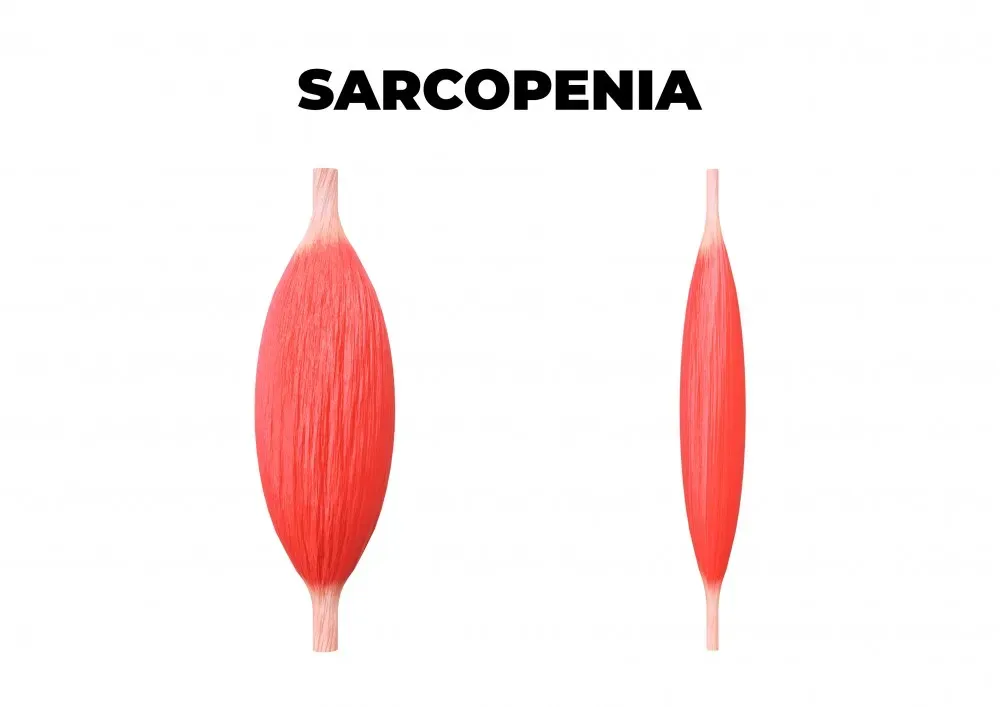
GLP-1 and muscle loss is a topic that gets less attention than it deserves. Most conversations about GLP-1 medications focus entirely on the number on the scale, but not all weight loss is created equal.
Some of that lost weight is fat. Some of it is muscle. Understanding the GLP-1 and muscle loss relationship — and what you can do about it — is essential for anyone using these medications for meaningful weight loss. This article follows body composition research from GLP-1 clinical trial sub-studies, alongside general NHS strength training guidance. Contact our 24/7 support team with any questions.
GLP-1 and muscle loss — fact 1: the drug isn’t the direct cause
GLP-1 and muscle loss is often misunderstood as a direct drug side effect. It is not. GLP-1 medications do not attack muscle tissue through their mechanism of action.
The muscle loss associated with GLP-1 treatment happens because of the calorie deficit the medication creates, not because of the drug’s pharmacology. Any significant, sustained calorie deficit — regardless of how it is achieved — puts both fat and muscle tissue at risk unless specific protective steps are taken.
GLP-1 and muscle loss — fact 2: the numbers are significant
Body composition sub-studies from major GLP-1 clinical trials indicate that without intervention, lean mass can account for roughly 25 to 40 percent of total weight lost. This is a substantial proportion — meaning for every 4 pounds lost, potentially 1 to 1.6 pounds could be muscle rather than fat.
This range varies considerably based on individual factors including starting body composition, age, sex, activity level, and — critically — whether protective interventions like resistance training and adequate protein are prioritised during treatment.
| Scenario | Approximate lean mass loss |
|---|---|
| No resistance training, low protein | Higher end — up to ~40% of total weight lost |
| Resistance training only | Moderately reduced |
| Adequate protein only | Moderately reduced |
| Resistance training + adequate protein | Substantially reduced — closer to lower end of range |
GLP-1 and muscle loss — fact 3: not a new problem
The GLP-1 and muscle loss relationship mirrors what researchers have observed with essentially every significant weight loss method. Calorie restriction diets, bariatric surgery, and other weight loss interventions all show similar patterns of lean mass loss alongside fat loss.
This is not a flaw unique to GLP-1 medications — it is a fundamental characteristic of significant weight loss generally. What makes GLP-1 treatment notable is simply the scale and speed of weight loss many people achieve, which brings this pre-existing issue into sharper focus.
GLP-1 and muscle loss — fact 4: age matters enormously
Older adults face a compounded risk in the GLP-1 and muscle loss equation. Age-related muscle loss — sarcopenia — already reduces lean mass naturally from around age 30 onwards, accelerating after 60.
Adding rapid, significant weight loss on top of existing sarcopenia risk can meaningfully affect strength, mobility, and independence in older patients. Clinicians increasingly recommend that older adults on GLP-1 medications prioritise muscle-preserving strategies even more strictly, and some recommend more gradual weight loss targets specifically to protect lean mass.
Muscle tissue is metabolically active — it burns calories even at rest and plays a central role in maintaining metabolic rate and insulin sensitivity.
Excessive muscle loss can lower resting metabolic rate, making weight maintenance harder after treatment ends, and can reduce physical strength and functional independence — a particular concern for older adults.
GLP-1 and muscle loss — fact 5: resistance training changes everything
This is the most actionable fact in the entire GLP-1 and muscle loss conversation. Studies of intentional weight loss consistently show that resistance training — even just 2 to 3 sessions per week — substantially reduces the proportion of lean mass lost compared to weight loss without it.
Resistance training does not need to be complex or gym-based. Bodyweight exercises, resistance bands, or simple free weight routines performed consistently can provide the muscle-preserving stimulus needed. The mechanism is straightforward — resistance exercise signals to the body that muscle tissue is being actively used and needs to be maintained, even during a calorie deficit.
GLP-1 and muscle loss — fact 6: protein intake is equally critical
The second pillar of protecting against GLP-1 and muscle loss is adequate protein intake — typically recommended at 1.2 to 1.6 grams per kilogram of body weight daily for people actively losing weight. This is meaningfully higher than general population recommendations.
This can be genuinely challenging on GLP-1 medications, since appetite suppression often makes hitting protein targets difficult. Prioritising protein-rich foods at each meal — even small ones — and considering protein supplementation when appetite is very low are both practical strategies worth discussing with your prescriber or a dietitian.
The GLP-1 and muscle loss story is not a reason to avoid these medications — it is a reason to pair them intelligently with resistance training and adequate protein. The weight loss is real. The muscle preservation is a choice you actively make alongside it.
Our clinical guidanceThe research is consistent: resistance training 2–3x weekly plus 1.2–1.6g protein per kg body weight daily is the most evidence-backed combination for minimising lean mass loss during GLP-1 treatment.
Neither pillar alone is as effective as both together. If you can only start with one, resistance training tends to show the strongest independent effect in the research.
For more on protecting muscle during treatment, read our guide on retatrutide and exercise and protein intake on GLP-1 on our blog. Explore our Mounjaro and retatrutide product pages, or read patient reviews.
This article is for informational purposes only and does not constitute medical advice. Always consult a qualified healthcare provider or dietitian before making significant changes to diet or exercise during GLP-1 treatment.
Common questions — GLP-1 and muscle loss
Lose fat, protect your muscle.
Explore our full range of GLP-1 treatments with 24/7 expert support to help you build a sustainable, muscle-conscious weight loss plan.
Explore Our Guides →