
Is retatrutide safe? Who should not use it — the complete picture.
Is retatrutide safe? That is the question every prospective user asks — and it deserves an honest, nuanced answer rather than the blanket reassurance or fear-driven warnings that dominate most online discussions. The truth is that retatrutide’s safety profile is encouraging based on the data available so far, but incomplete. Phase 2 clinical trial data showed no serious safety signals, side effects were consistent with other GLP-1 medications, and discontinuation rates due to adverse events were low. But phase 2 data comes from a relatively small group of participants over a limited timeframe, and it does not and cannot answer the long-term safety questions that only phase 3 trials and post-market surveillance can resolve.
This guide gives you everything currently known about whether retatrutide is safe: what the phase 2 trial found, the specific safety considerations unique to retatrutide’s triple-receptor mechanism, the groups who should not use it, the risks of using research-grade compounds before regulatory approval, and how the safety profile compares to approved GLP-1 medications like semaglutide and tirzepatide. The information here is based on published clinical trial data and is consistent with general prescribing safety guidance from the NHS.
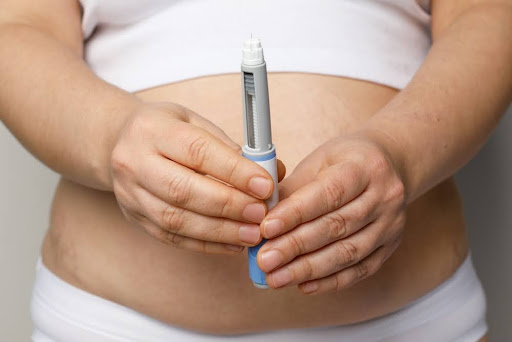
Is retatrutide safe — what the phase 2 trial showed
The phase 2 trial published in the New England Journal of Medicine is the primary source for answering whether retatrutide is safe. Here is what the data showed across all dose groups (1 mg, 4 mg, 8 mg, and 12 mg):
No serious safety signals
The trial’s independent Data Safety Monitoring Board did not halt or modify the study at any point due to safety concerns. No deaths were attributed to retatrutide. Serious adverse events were rare and occurred at rates comparable to the placebo group. This is the most important headline when asking whether retatrutide is safe — the trial completed as designed without the safety red flags that would have triggered intervention.
Side effects were GLP-1 typical
The most common side effects were gastrointestinal — nausea, diarrhoea, vomiting, constipation, and decreased appetite. These are the same side effects seen with semaglutide and tirzepatide, and they followed the same pattern: most pronounced during dose escalation, improving as the body adjusted at each dose level, and rated as mild to moderate by the majority of participants.
| Safety metric | Phase 2 finding |
|---|---|
| Trial-stopping safety signals | None |
| Deaths attributed to retatrutide | None |
| Serious adverse events vs placebo | Comparable rates |
| Discontinuation due to side effects | Low across all dose groups |
| Most common side effects | Nausea, diarrhoea, vomiting, constipation |
| Side effect severity | Mostly mild to moderate |
| Side effect timing | Peak during dose escalation, improving at stable doses |
Phase 2 trials are designed to test dosing and preliminary efficacy — they are not powered to detect rare safety events. A phase 2 trial with a few hundred participants over 48 weeks can identify common side effects and obvious safety problems. It cannot reliably detect events that occur in 1 in 1,000 or 1 in 10,000 patients, and it cannot reveal issues that only emerge after years of use. When asking is retatrutide safe, understand that the answer is “safe so far, within the limits of the data available.”
Is retatrutide safe — the glucagon receptor question
What makes the “is retatrutide safe” question more complex than it is for semaglutide or tirzepatide is the glucagon receptor. Retatrutide is the first weight loss medication to include chronic glucagon receptor activation as part of its mechanism. GLP-1 and GIP receptor activation are well characterised through years of semaglutide and tirzepatide data. Glucagon receptor activation at therapeutic doses over months and years is newer territory.
What glucagon receptor activation does
- Increases energy expenditure: Your body burns more calories at rest — a metabolic advantage not seen with GLP-1-only medications
- Promotes lipolysis: Active fat breakdown, particularly from visceral and liver fat deposits
- Raises blood glucose: Glucagon’s natural role is to increase blood sugar. In retatrutide, this effect is counterbalanced by the GLP-1 and GIP components, which lower blood sugar. The net result in trials was improved glucose control, not worsening — but the balance is important
- May affect heart rate: A small increase in resting heart rate was observed in some trial participants at higher doses. This was not clinically significant in the phase 2 data, but cardiovascular effects of chronic glucagon activation require longer-term monitoring
- May affect liver enzymes: Some trial participants showed mild elevations in liver enzymes (ALT). These normalised and were not associated with liver damage, but they require monitoring
Nobody — not Eli Lilly, not researchers, not the most experienced prescribers — can yet answer the question “is retatrutide safe for long-term use” with complete confidence. The glucagon receptor component introduces pharmacology that has not been studied at this scale or duration before. The phase 2 data is reassuring but preliminary. Phase 3 trials, cardiovascular outcome studies, and post-market surveillance will provide the complete answer over the coming years.
Is retatrutide safe — who should not use it
Based on the GLP-1 class contraindications established through approved medications and the known pharmacology of retatrutide, the following groups should not use retatrutide under any circumstances:
- Personal or family history of medullary thyroid carcinoma (MTC): All GLP-1 receptor agonists carry a precautionary warning about thyroid C-cell tumours based on rodent studies. While this has not been confirmed in humans, the risk is considered too significant for individuals with existing predisposition.
- Multiple Endocrine Neoplasia syndrome type 2 (MEN2): This genetic condition predisposes to medullary thyroid cancer and is an absolute contraindication for all GLP-1 class medications.
- Pregnancy and breastfeeding: Retatrutide has not been studied in pregnant or breastfeeding women. The weight loss and metabolic effects of a triple agonist during pregnancy could be harmful to foetal development. Women of childbearing age should use effective contraception during treatment.
- Type 1 diabetes: Retatrutide affects insulin and glucagon pathways in ways that could dangerously disrupt blood sugar management in type 1 diabetes, where insulin production is absent rather than impaired.
- History of pancreatitis: GLP-1 medications have been associated with rare cases of pancreatitis. A prior history of pancreatitis increases this risk. Anyone asking is retatrutide safe should disclose any history of pancreatic disease.
- Severe gastrointestinal disorders: Gastroparesis, inflammatory bowel disease, or severe GERD may be worsened by the gastric slowing effects of GLP-1 agonists.
- Under 18 years of age: No paediatric data exists for retatrutide.
- Known allergy to retatrutide or excipients: Anyone who has experienced an allergic reaction to retatrutide or any component of the formulation should not use it.
Is retatrutide safe — compared to approved GLP-1s
| Safety factor | Retatrutide | Semaglutide / Tirzepatide |
|---|---|---|
| Regulatory approval | None — phase 3 trials | Fully approved (UK, EU, US) |
| Phase 3 data | Ongoing | Completed, published, peer-reviewed |
| Post-market surveillance | None | Years of real-world data, millions of patients |
| Cardiovascular outcome trials | In progress | Completed (semaglutide — positive results) |
| Known GI side effects | Comparable rates | Well-characterised |
| Novel pharmacology risks | Glucagon receptor activation — less characterised | Well-characterised pathways |
| Long-term safety data (2+ years) | Not available | Available |
Is retatrutide safe compared to semaglutide? The honest answer is: we do not know yet to the same degree of certainty. Semaglutide has earned its safety profile through years of rigorous study. Retatrutide is still writing its safety story. The early chapters are promising — but the book is not finished.
Clinical perspectiveIs retatrutide safe — research-grade considerations
Because retatrutide is not approved, anyone using it is sourcing research-grade product — whether in lyophilised vial form or pre-filled pen formats like Synedica. This introduces additional safety considerations beyond the molecule itself:
- Product quality varies by supplier: Not all research-grade peptides are equal. Purity, sterility, and accurate dosing depend entirely on the manufacturer’s quality control. Always source from suppliers who provide third-party HPLC testing and a Certificate of Analysis (COA) with every batch.
- No prescriber oversight: Unlike approved medications, research-grade retatrutide comes without a prescriber’s assessment of your suitability, contraindication screening, or ongoing monitoring. The responsibility for safety screening falls on you.
- Dosing accuracy: Pre-filled pen formats (like Synedica) offer more consistent dosing than vials requiring manual reconstitution and measurement. If using vials, accurate reconstitution and measurement with insulin syringes is essential to avoid under- or over-dosing.
- Storage requirements: Research-grade peptides must be stored correctly (2–8°C, protected from light) to maintain potency and sterility. Degraded peptide may be ineffective or potentially harmful.
Is retatrutide safe — how to minimise risk
If you have decided to use retatrutide, these steps minimise the risks as much as currently possible:
- Source from a verified supplier: HPLC-verified purity of 99%+ with a COA on every batch. Mymetabolism provides this on all products — check our customer reviews for confidence.
- Follow the phase 2 titration schedule: Start at 2 mg and increase monthly (2 → 4 → 8 → 12 mg). Do not skip dose levels or accelerate the schedule. The titration exists to manage side effects and identify intolerance early.
- Get baseline blood work: Before starting, have your GP or a private lab check your thyroid function, liver enzymes, kidney function, blood glucose (HbA1c), and lipid panel. Repeat at 3 and 6 months. This creates a safety monitoring framework that replicates what a clinical trial would do.
- Monitor your heart rate: Track resting heart rate weekly. A sustained increase of 10+ bpm above your baseline warrants discussion with a healthcare professional and may indicate a need to reduce the dose.
- Screen yourself for contraindications: Review the “who should not use it” section above honestly. If any apply to you, do not use retatrutide.
- Report symptoms promptly: Severe abdominal pain, persistent vomiting, jaundice (yellowing skin/eyes), or unusual swelling in the neck require immediate medical attention regardless of whether you attribute them to retatrutide.
- Do not combine with other GLP-1 medications: Using retatrutide alongside semaglutide, tirzepatide, or CagriReta compounds the GLP-1 receptor stimulation and dramatically increases the risk and severity of side effects.
Asking “is retatrutide safe” is the right question — but the most important question is whether you are making an informed decision about a specific risk-reward trade-off. Retatrutide offers greater weight loss than any approved medication. It also carries greater uncertainty about long-term safety. Understanding both sides — clearly and without self-deception — is the foundation of responsible use.
Research disclaimer: Retatrutide is not approved for human use by any regulatory body. It is currently in phase 3 clinical trials. Research-grade retatrutide products, including Synedica pen formats, are intended for research purposes only. The information in this article is for educational purposes and does not constitute medical advice. Always consult a qualified healthcare professional before starting any medication or research compound. Mymetabolism supplies research-grade peptides verified by HPLC at 99%+ purity with a Certificate of Analysis on every batch.
Common questions — is retatrutide safe
Verified purity. Every batch tested.
All Mymetabolism peptides are HPLC-verified at 99%+ purity with a Certificate of Analysis on every batch. Free UK shipping and full customer support.
Browse Retatrutide →