
Mounjaro and alcohol — 7 proven things you need to know.
Mounjaro and alcohol is one of the most frequently asked questions from new patients — and the honest answer is more nuanced than a simple yes or no. There is no direct pharmacological interaction between tirzepatide and alcohol, meaning the two substances do not chemically react in a dangerous way. But that does not mean drinking on Mounjaro is risk-free or recommended without consideration. Alcohol can worsen the gastrointestinal side effects Mounjaro already causes, complicate blood sugar control, and in rare cases increase the risk of serious complications. Many patients also notice something unexpected — a genuine reduction in their desire to drink at all. This guide covers everything you need to know about Mounjaro and alcohol in 2026.
All guidance in this article is drawn from current pharmacy and clinical sources including the official tirzepatide prescribing information, alongside the NHS alcohol support guidance and the NHS type 2 diabetes medicine guidance.
Is there a direct interaction between Mounjaro and alcohol?
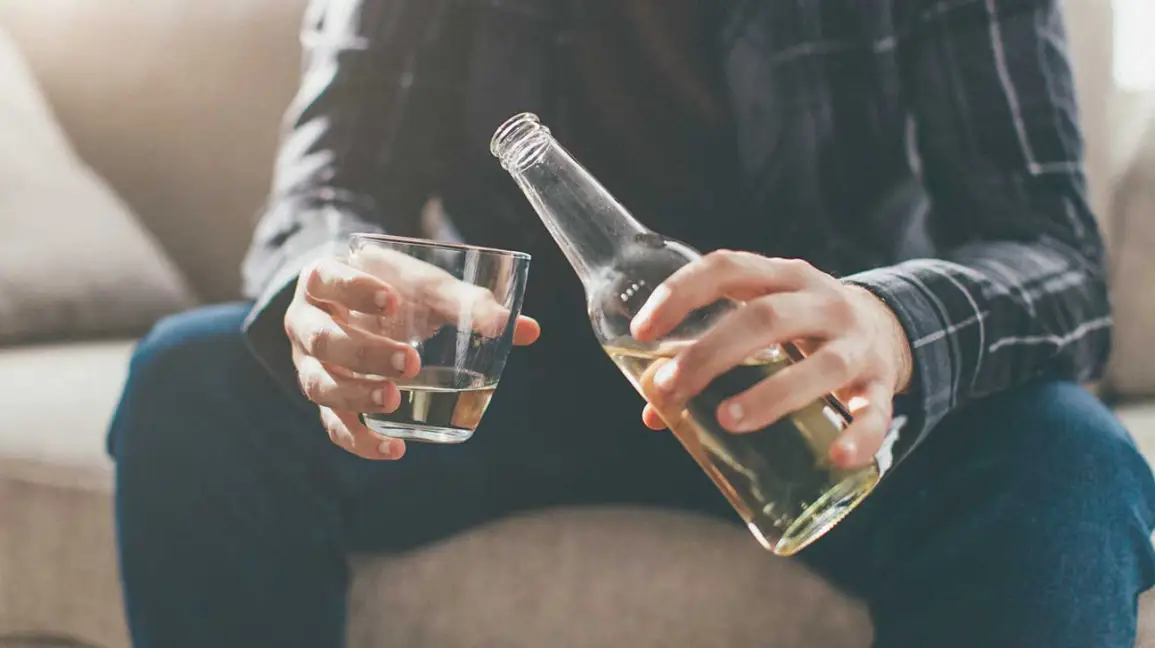
No — there is no known direct drug interaction between Mounjaro and alcohol. Tirzepatide and ethanol do not chemically interact in the way that some medications do with alcohol (such as metronidazole or certain sedatives). This means an occasional drink is not automatically dangerous for most patients. However, “no direct interaction” does not mean “no effect.” Mounjaro and alcohol both independently affect the digestive system, blood sugar, and in rare cases the pancreas and kidneys — and these effects can compound when combined.
7 proven things to know about Mounjaro and alcohol
1. Alcohol worsens Mounjaro’s gastrointestinal side effects
The most consistently reported effect of combining Mounjaro and alcohol is worsened gastrointestinal side effects. Alcohol increases stomach acid production and irritates the digestive tract — compounding the nausea, vomiting, indigestion, and delayed gastric emptying that tirzepatide already causes through its GIP and GLP-1 mechanism. This overlap is particularly pronounced during dose escalation phases, when GI side effects are already at their most intense. Many patients report that even a single drink during an escalation week noticeably worsens nausea the following day.
2. Alcohol can disrupt blood sugar control
Alcohol affects blood glucose levels in complex and sometimes unpredictable ways — it can cause both spikes and drops depending on the type of drink, the amount, and whether food is consumed alongside it. Combined with Mounjaro’s own blood-sugar-regulating mechanism, this makes glucose levels less predictable for anyone monitoring them closely, particularly patients with type 2 diabetes. This is one of the most clinically significant aspects of the Mounjaro and alcohol relationship for diabetic patients specifically.
3. Alcohol may increase rare but serious risks
Mounjaro carries rare but serious potential risks including pancreatitis and kidney problems. Alcohol is independently a recognised risk factor for both conditions. While there is no clinical trial data definitively quantifying how much combining Mounjaro and alcohol increases these specific risks, the overlapping risk factors mean caution is medically appropriate, particularly for patients who already drink regularly or have any history of pancreatic or kidney concerns.
4. Alcohol adds empty calories that work against your goals
Beyond the physiological considerations, Mounjaro and alcohol interact at a practical, behavioural level. Alcoholic drinks are calorie-dense with minimal nutritional value — a few drinks can offset a significant portion of the calorie deficit driving your weight loss. Alcohol also lowers inhibition, which can make it harder to stick to the protein-focused, portion-controlled eating pattern that maximises Mounjaro’s effectiveness. Many patients who reduce alcohol report noticeably faster and more consistent progress.
5. Diabetic patients face additional masking risk
For patients with type 2 diabetes — particularly those also taking insulin or sulfonylureas alongside Mounjaro — alcohol carries an additional specific risk: it can mask the early symptoms of hypoglycaemia (low blood sugar). The drowsiness, confusion, and impaired coordination caused by alcohol overlap with hypoglycaemia symptoms, making it harder to recognise a dangerous drop in blood sugar before it becomes severe. This is one of the most important safety considerations in the entire Mounjaro and alcohol discussion for diabetic patients.
6. Many patients report reduced alcohol cravings
One of the most striking and consistently reported findings about Mounjaro and alcohol is the reverse effect — many patients notice a genuine reduction in their desire to drink. This is believed to result from tirzepatide’s action on the brain’s reward pathways, similar to the appetite-suppressing mechanism that reduces food cravings. A large-scale Swedish analysis of over 220,000 patient records found that semaglutide (a related GLP-1 medication) lowered hospitalisation risk due to alcohol use disorder by 34%. Clinical trials specifically investigating tirzepatide for alcohol use disorder are currently underway.
7. Individual response varies significantly
Not every patient experiences the same relationship between Mounjaro and alcohol. Some notice no change in their drinking habits or tolerance at all. Others experience the craving reduction described above. Others find that even small amounts of alcohol now produce disproportionate nausea or intoxication compared to before starting treatment — likely related to delayed gastric emptying changing how quickly alcohol is absorbed. Pay close attention to your own individual response in the first few weeks of any drinking occasion rather than assuming a generic experience.
Mounjaro, alcohol, and type 2 diabetes
The Mounjaro and alcohol relationship is meaningfully different for patients using tirzepatide for type 2 diabetes management versus weight loss alone. For diabetic patients, particularly those also on insulin or sulfonylureas, alcohol consumption requires more careful planning:
- Check blood sugar before, during, and after drinking
- Never drink on an empty stomach — food slows alcohol absorption and helps stabilise blood sugar
- Be aware that alcohol can make hypoglycaemia symptoms harder to recognise
- Keep a fast-acting glucose source available, the same as for any hypoglycaemia risk
- Discuss your specific medication combination and alcohol tolerance with your healthcare provider
Why Mounjaro often reduces alcohol cravings
The reduced-cravings effect of Mounjaro and alcohol is one of the most scientifically interesting developments in GLP-1 research. GLP-1 and GIP receptors are present not only in the gut but also in regions of the brain associated with reward and motivation. Activating these receptors appears to dampen the reward signal associated with both food and alcohol — explaining why patients frequently report reduced cravings for both simultaneously. This is an active area of research, with formal clinical trials investigating tirzepatide specifically for alcohol use disorder currently in progress. For patients who struggle with both weight management and alcohol consumption, this secondary effect can be a meaningful additional benefit of treatment.
How to drink more safely on Mounjaro
If you choose to drink while on Mounjaro, these practices reduce risk and minimise discomfort:
- Avoid drinking during dose escalation weeks — when GI side effects are already at their peak intensity
- Eat before and during drinking — food slows alcohol absorption and reduces stomach irritation
- Choose lower-calorie, lower-sugar drinks — spirits with soda water rather than sugary cocktails or beer
- Stay well hydrated — alternate alcoholic drinks with water
- Avoid drinking alone if you have diabetes — having someone aware who can recognise hypoglycaemia symptoms adds a safety margin
- Pay attention to your individual response — adjust based on how your body reacts rather than assuming previous tolerance still applies
Warning signs requiring medical attention
Seek immediate medical attention if you experience: severe persistent abdominal pain (possible pancreatitis, particularly if radiating to the back), signs of severe hypoglycaemia (confusion, weakness, loss of consciousness), inability to keep fluids down, or any combination of symptoms that feels significantly beyond your normal experience with either Mounjaro or alcohol individually. When in doubt about the Mounjaro and alcohol combination for your specific situation, contact our 24/7 support team or speak with your healthcare provider.
Browse our full product range, read our verified customer reviews, and see our complete Mounjaro side effects guide for everything else you need to know about treatment.
Common questions — Mounjaro and alcohol
Start your Mounjaro journey with Mymetabolism.
HPLC-verified at 99% purity, COA on every batch, free UK shipping. 24/7 support for every question about treatment and lifestyle.
Buy Mounjaro now →