
Retatrutide and metformin — 5 vital facts to know.
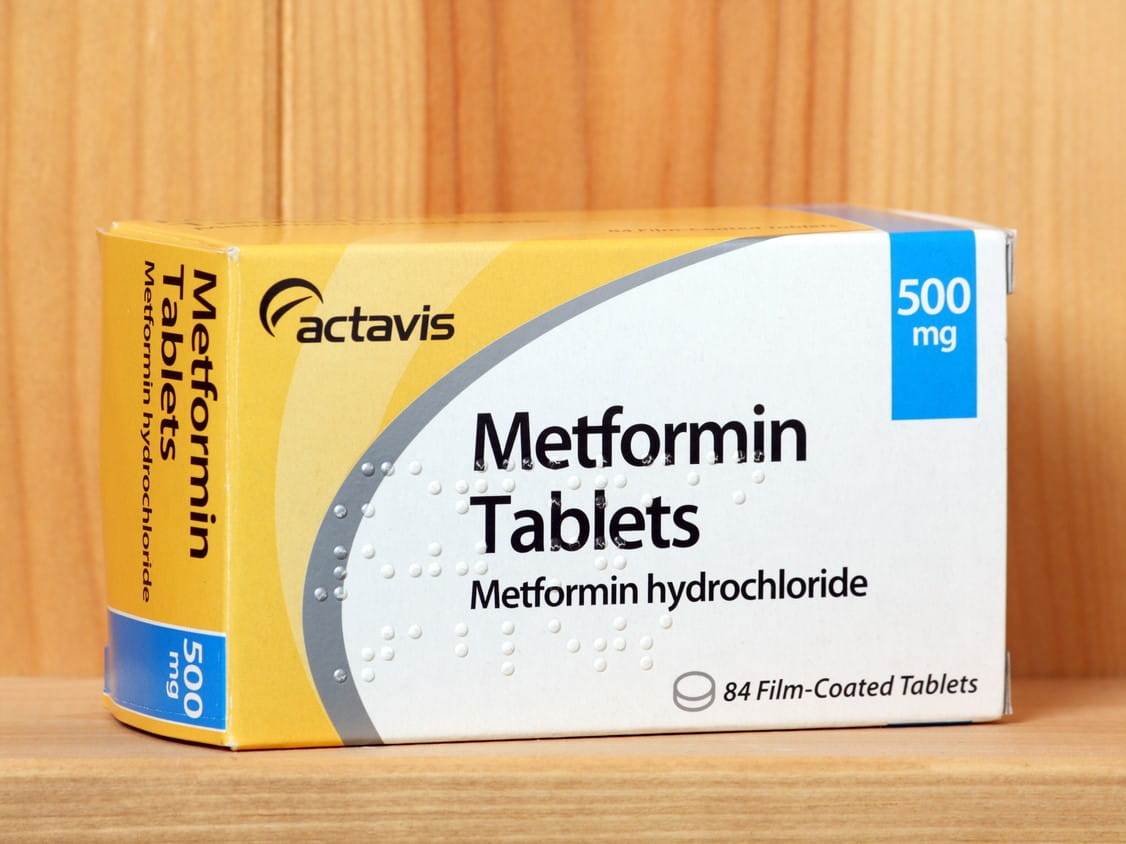
Retatrutide and metformin is a combination that comes up constantly for people already managing insulin resistance or type 2 diabetes who are considering retatrutide for weight loss. Metformin is the most widely prescribed diabetes medication in the world, so this question is a natural one.
The short answer is that the two are commonly used together and no major interaction has been identified between them. This guide explains how they work together, what to expect, and the precautions worth discussing with your prescriber. This information follows general drug interaction principles and NHS metformin guidance. Contact our 24/7 support team with any questions.
Retatrutide and metformin — fact 1: different mechanisms
Understanding why retatrutide and metformin are commonly combined starts with understanding how differently they work. Metformin primarily reduces glucose production by the liver and improves the body’s sensitivity to its own insulin.
Retatrutide works through an entirely different pathway — it activates GLP-1, GIP, and glucagon receptors to reduce appetite, slow gastric emptying, and improve insulin sensitivity through a different route. Because these mechanisms are complementary rather than overlapping, they are often considered additive when combined.
| Medication | Primary mechanism |
|---|---|
| Metformin | Reduces liver glucose production, improves insulin sensitivity |
| Retatrutide | GLP-1/GIP/glucagon receptor activity — appetite, gastric emptying, insulin sensitivity |
Retatrutide and metformin — fact 2: no major interaction
Can you take retatrutide with metformin safely? Based on current pharmacological understanding, no major drug interaction between the two has been identified. This is one of the reasons the combination is already common in clinical practice and research settings for people managing diabetes and weight together.
This does not mean the combination is risk-free or appropriate for everyone — it means the two do not appear to interfere with each other’s absorption, metabolism, or effectiveness in ways that would create a dangerous interaction. Individual health factors still need to be assessed by a prescriber.
Retatrutide and metformin — fact 3: combined side effects
Both medications can independently cause gastrointestinal side effects. Metformin is well known for causing diarrhoea, nausea, and stomach upset, particularly when first starting or after a dose increase.
Retatrutide carries similar gastrointestinal side effects during its titration phase. When combined, some people notice these effects feel more pronounced, especially if both medications are being started or adjusted around the same time. Staggering the introduction of each medication, where clinically appropriate, can help distinguish which one is responsible for any new symptoms.
Taking metformin with food significantly reduces its gastrointestinal side effects. Combined with following the standard retatrutide titration schedule rather than rushing dose increases, this approach minimises overlapping digestive symptoms considerably.
Retatrutide and metformin — fact 4: hypoglycaemia risk
A common concern when combining any two blood-sugar-affecting medications is hypoglycaemia — dangerously low blood sugar. Metformin alone carries a very low hypoglycaemia risk because it does not stimulate insulin production.
Retatrutide similarly carries a low hypoglycaemia risk on its own. The combination is not typically associated with significant hypoglycaemia risk, though this risk increases substantially if either medication is combined with insulin or sulfonylureas, which do stimulate insulin release. Anyone on multiple diabetes medications should discuss their specific combination with their prescriber.
Shakiness, sweating, confusion, rapid heartbeat, and extreme hunger can indicate low blood sugar. If you experience these symptoms while on any combination of diabetes or weight loss medications, check your blood sugar if able and contact your healthcare provider.
Retatrutide and metformin — fact 5: always disclose both
Whether you are starting retatrutide while already on metformin, or starting metformin while already on retatrutide, your prescriber needs complete information about both medications to make safe, informed decisions about your care.
This includes the exact doses of each medication, how long you have been taking them, and any side effects you have experienced with either. Complete transparency ensures your treatment plan is built around your actual medication regimen, not an incomplete picture of it.
Can you take retatrutide with metformin? In most cases, yes — the combination is common and well-tolerated. But “commonly combined” is not the same as “automatically appropriate for everyone.” Individual assessment by a prescriber remains essential.
Our clinical guidanceExplore our Synedica Retatrutide product page, or read more on retatrutide and insulin resistance on our blog. Compare with VLS Retatrutide or read patient reviews.
This article is for informational purposes only and does not constitute medical advice. Always consult a qualified healthcare provider before combining any medications, including retatrutide and metformin.
Common questions — retatrutide and metformin
Explore retatrutide for your metabolic goals.
UK-based, MHRA-compliant supply with 24/7 expert support throughout your treatment journey.
Explore Retatrutide →