
Sleep on GLP-1 — 7 proven ways to sleep better.
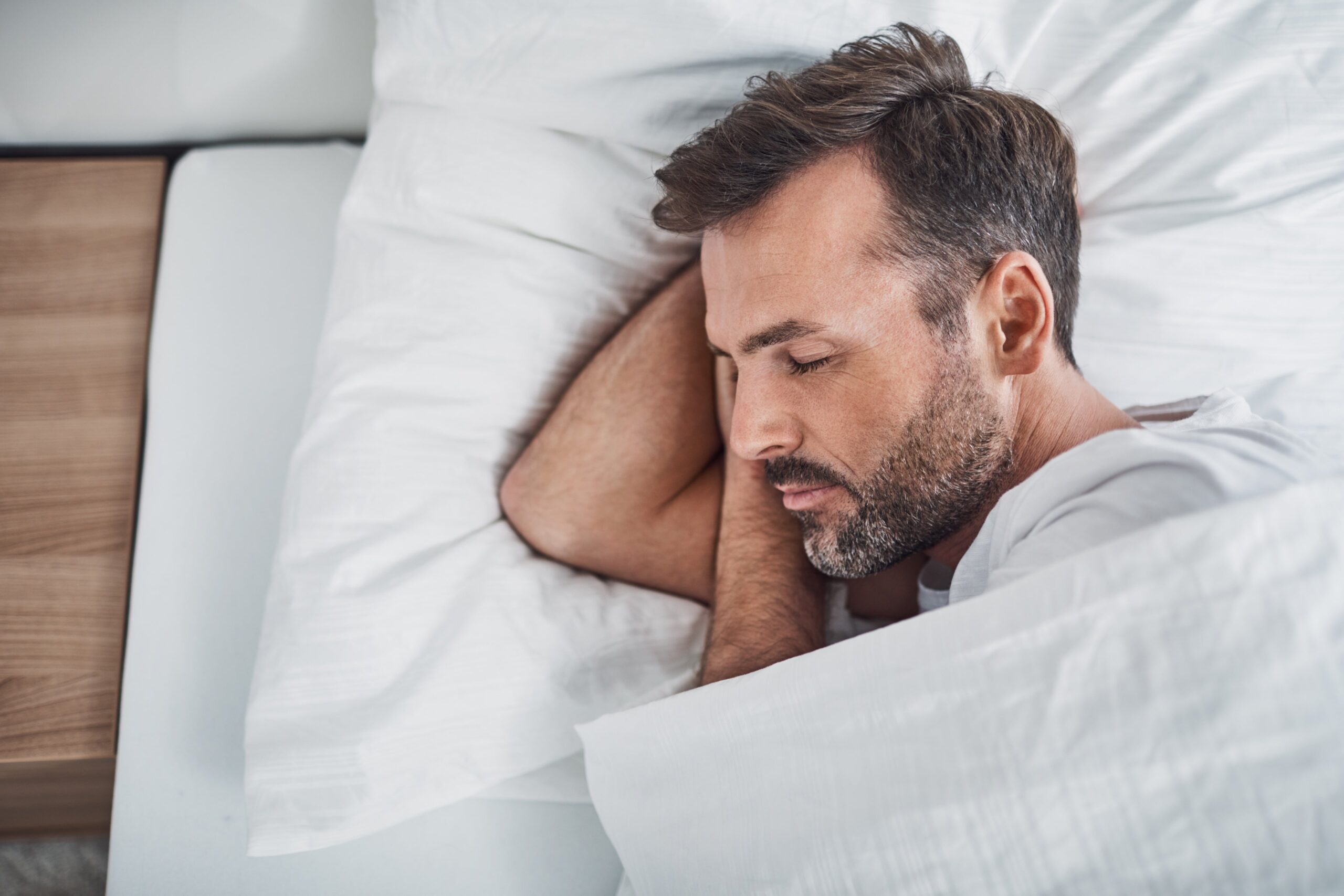
Sleep on GLP-1 medications is a genuinely two-sided story. On one hand, clinical trial data for Wegovy found that insomnia rates were roughly the same in the semaglutide group as in the placebo group — meaning the medication itself does not appear to directly cause sleeplessness. On the other hand, a 2023 study analysing over 43,000 social media comments found 620 distinct mentions of sleep-related issues among GLP-1 users, making it one of the most discussed side effect themes online alongside anxiety and mood changes. Both things are true simultaneously: the controlled trial evidence is reassuring, while the lived experience reported by many patients is real and worth taking seriously. This guide covers what is actually happening with sleep on GLP-1 treatment and seven proven ways to sleep better regardless of which camp you fall into.
All clinical data in this guide is drawn from the STEP-1 Wegovy trial results published in the New England Journal of Medicine, the 2023 Cureus social media analysis, and current FDA approval data for tirzepatide in sleep apnea, alongside the NHS insomnia guidance and the NHS obstructive sleep apnoea guidance.
What clinical trials show vs what patients report
Insomnia is not listed as a common side effect on the official prescribing information for Ozempic or Wegovy. In the well-known STEP-1 trial, gastrointestinal events were the most frequently reported adverse effects — nausea affected approximately 44% of the semaglutide group versus 18% on placebo — but insomnia as a standalone adverse event did not appear at statistically significant rates above placebo. About 11% of Wegovy users did report unusual tiredness during the trial, which is a different experience to insomnia itself.
Yet the online picture around sleep on GLP-1 medications tells a more textured story. Subreddits and social platforms are filled with posts describing restless nights, vivid dreams, and difficulty falling asleep after starting treatment. The most likely explanation for this gap: clinical trials are designed to measure specific, predefined endpoints, and sleep quality has not always been one of them in detail — meaning subtler sleep disruptions may simply not have been captured as rigorously as gastrointestinal side effects were.
Why sleep changes happen on GLP-1 medications
Even without a direct insomnia mechanism confirmed in trials, several genuine indirect pathways can plausibly disrupt sleep on GLP-1 treatment:
- Gastrointestinal discomfort: nausea, reflux, or cramping can peak at night and keep people awake, particularly during dose escalation
- Hypoglycaemia: low blood sugar can cause sweating, shaking, and anxiety overnight, all of which negatively affect sleep quality, particularly relevant for anyone managing diabetes alongside treatment
- Anxiety or mood changes during adjustment: starting a medication that fundamentally changes your relationship with food and hunger can be psychologically significant, and this adjustment period can affect sleep independently of any direct pharmacological effect
- Hormonal and metabolic shifts: as the body adjusts to changes in cortisol levels and overall metabolism, sleep quality may be temporarily affected during this transition
- Night sweats: some users report increased sweating, particularly at night, possibly related to rapid changes in body composition and how the body manages temperature during active weight loss
The genuine sleep apnea benefit
While the insomnia question remains genuinely mixed, one sleep on GLP-1 benefit is now firmly established and FDA-approved: tirzepatide, sold as Zepbound for this specific indication, received FDA approval for treating obstructive sleep apnea (OSA) in adults with obesity. In the supporting year-long trial, participants receiving tirzepatide showed statistically significant reductions in the Apnea-Hypopnea Index compared to placebo, with many seeing their sleep apnea improve to mild severity or even remission, alongside relief from daytime fatigue.
Experts describe this as a meaningful shift from symptom-based management with CPAP machines toward a weight-centred, disease-modifying treatment strategy. Weight loss itself — independent of which specific GLP-1 medication is used — commonly reduces snoring and improves overall sleep architecture as excess tissue around the airway decreases. For patients whose sleep is disrupted by undiagnosed or untreated sleep apnea, GLP-1 treatment may ultimately improve sleep on GLP-1 outcomes considerably, even if the early weeks of treatment feel disruptive.
Some limited research suggests semaglutide might increase levels of GABA and acetylcholine in certain circumstances — two neurotransmitters that play a role in promoting sleep. If this effect is genuine, it would predict better sleep rather than insomnia, which may help explain why many patients report improved rather than worsened sleep once past the initial adjustment period.
7 proven ways to sleep better on GLP-1 medications
1. Take your dose in the morning
If gastrointestinal symptoms tend to peak in the hours after injection, taking your weekly dose in the morning rather than the evening can help avoid nausea or discomfort interfering with sleep on GLP-1 treatment overnight. This is a simple scheduling change worth discussing with your prescriber if evening symptoms are disrupting your rest.
2. Keep a consistent sleep schedule
Going to bed and waking up at the same time every day, even on weekends, is one of the most evidence-based foundations of good sleep hygiene generally, and becomes particularly valuable while your body is adjusting to a new medication and changing metabolism.
3. Manage GI symptoms proactively
Since gastrointestinal discomfort is one of the most plausible indirect causes of disrupted sleep on GLP-1 treatment, actively managing nausea and reflux — plain food on injection day, smaller portions, avoiding lying down immediately after eating — can meaningfully reduce nighttime disruption.
4. Avoid alcohol, especially in the evening
Alcohol can interact with semaglutide-related digestive changes and independently disrupts sleep architecture, making it a doubly worthwhile thing to limit or avoid, particularly in the hours before bed during the early weeks of treatment.
5. Reduce evening screen time
Standard sleep hygiene advice applies fully here — reducing screen exposure in the hour or two before bed supports natural melatonin production and easier sleep onset, complementing whatever else is happening with your sleep on GLP-1 treatment specifically.
6. Monitor blood sugar if you have diabetes
For patients managing type 2 diabetes alongside weight loss, tracking blood sugar patterns can help identify whether nighttime hypoglycaemia symptoms — sweating, shaking, anxiety — are contributing to disrupted sleep, allowing for a targeted conversation with your prescriber about dose timing or adjustment.
7. Talk to your prescriber before reaching for sleep aids
If lifestyle adjustments are not enough, discuss options with your prescriber rather than self-medicating. Over-the-counter aids such as melatonin are sometimes appropriate, but should be confirmed with a healthcare provider first, particularly given the range of physiological changes already underway during sleep on GLP-1 treatment.
Understanding vivid dreams specifically
Vivid dreams are one of the most commonly mentioned individual experiences in online GLP-1 communities specifically, distinct from general insomnia complaints. The exact mechanism is not well understood, but researchers hypothesise that changes in blood sugar regulation, appetite hormones, and overall metabolic state could influence REM sleep patterns. Reduced caloric intake alone — independent of any specific drug mechanism — can alter dream vividness for some people, which may explain at least part of this commonly reported experience during sleep on GLP-1 treatment.
When to talk to your doctor
Seek medical advice if you experience insomnia more than three nights out of the week, if sleep disruption comes alongside symptoms of hypoglycaemia such as sweating, shaking, or anxiety, or if poor sleep is significantly affecting your daily functioning. Regardless of the underlying cause, a healthcare provider can help assess whether dose timing, symptom management, or another adjustment may improve your sleep on GLP-1 experience going forward.
Browse our full product range, read our verified customer reviews, and see our Ozempic side effects week by week guide for more on managing treatment overall.
Common questions — sleep on GLP-1
Start your GLP-1 journey with Mymetabolism.
HPLC-verified at 99% purity, COA on every batch, free UK shipping. 24/7 support for every question about your treatment and lifestyle.
Shop all products →